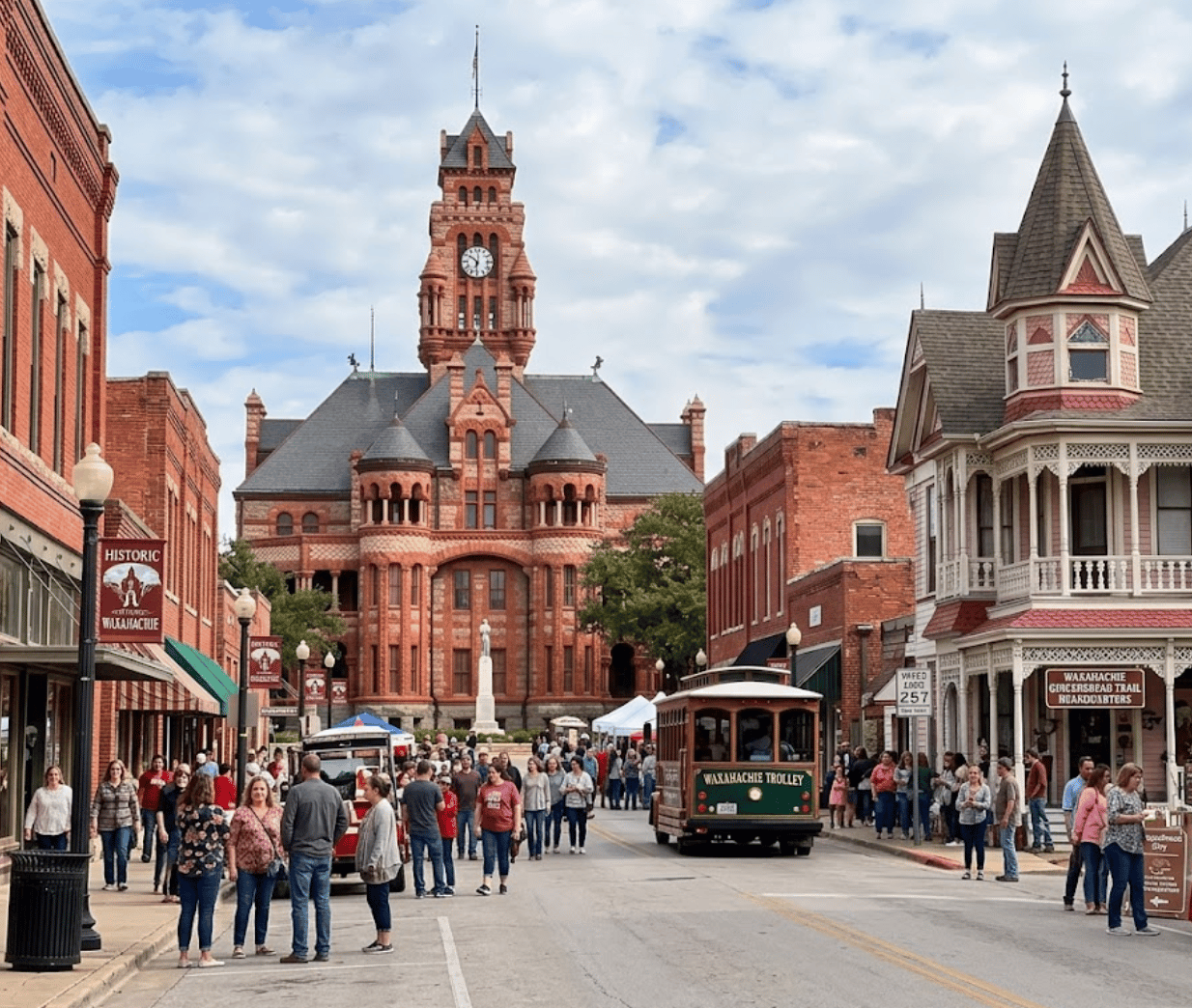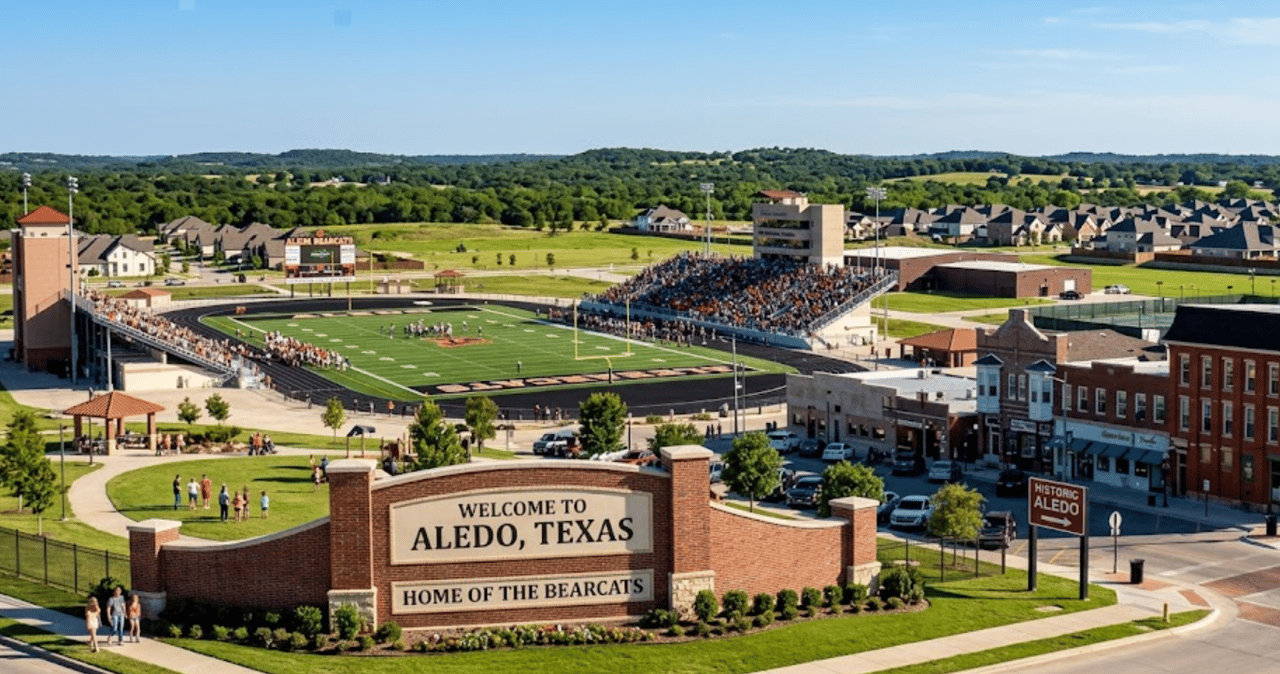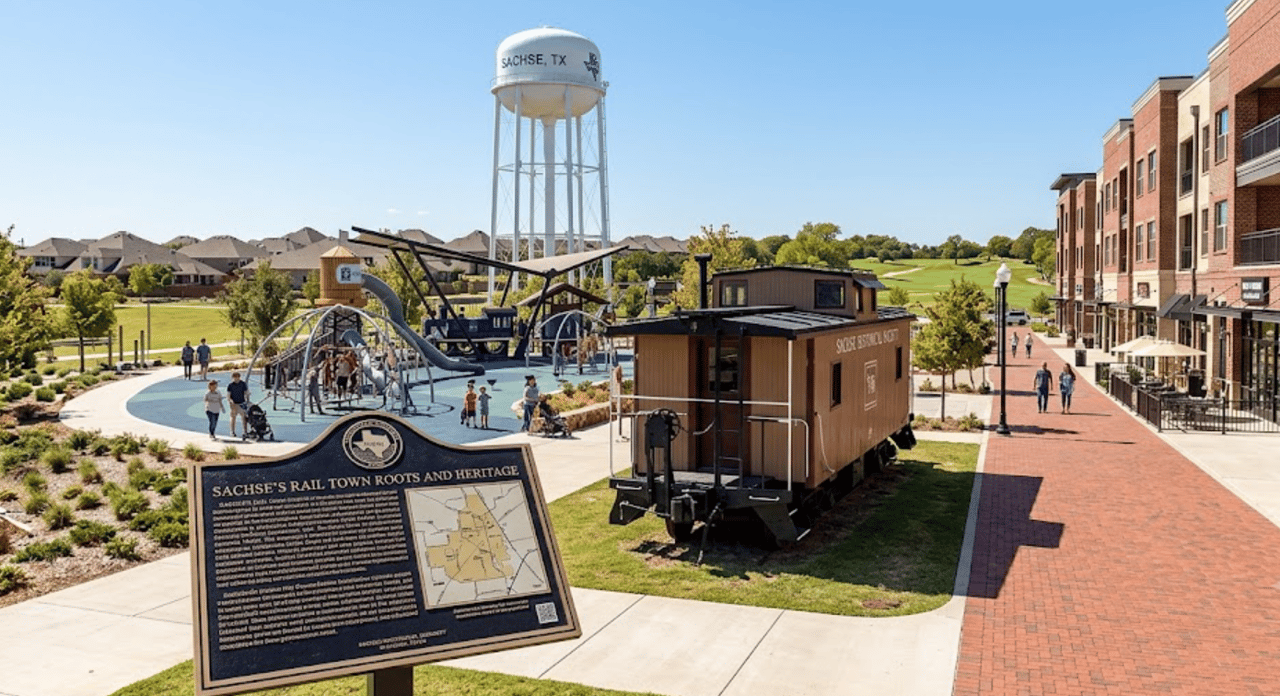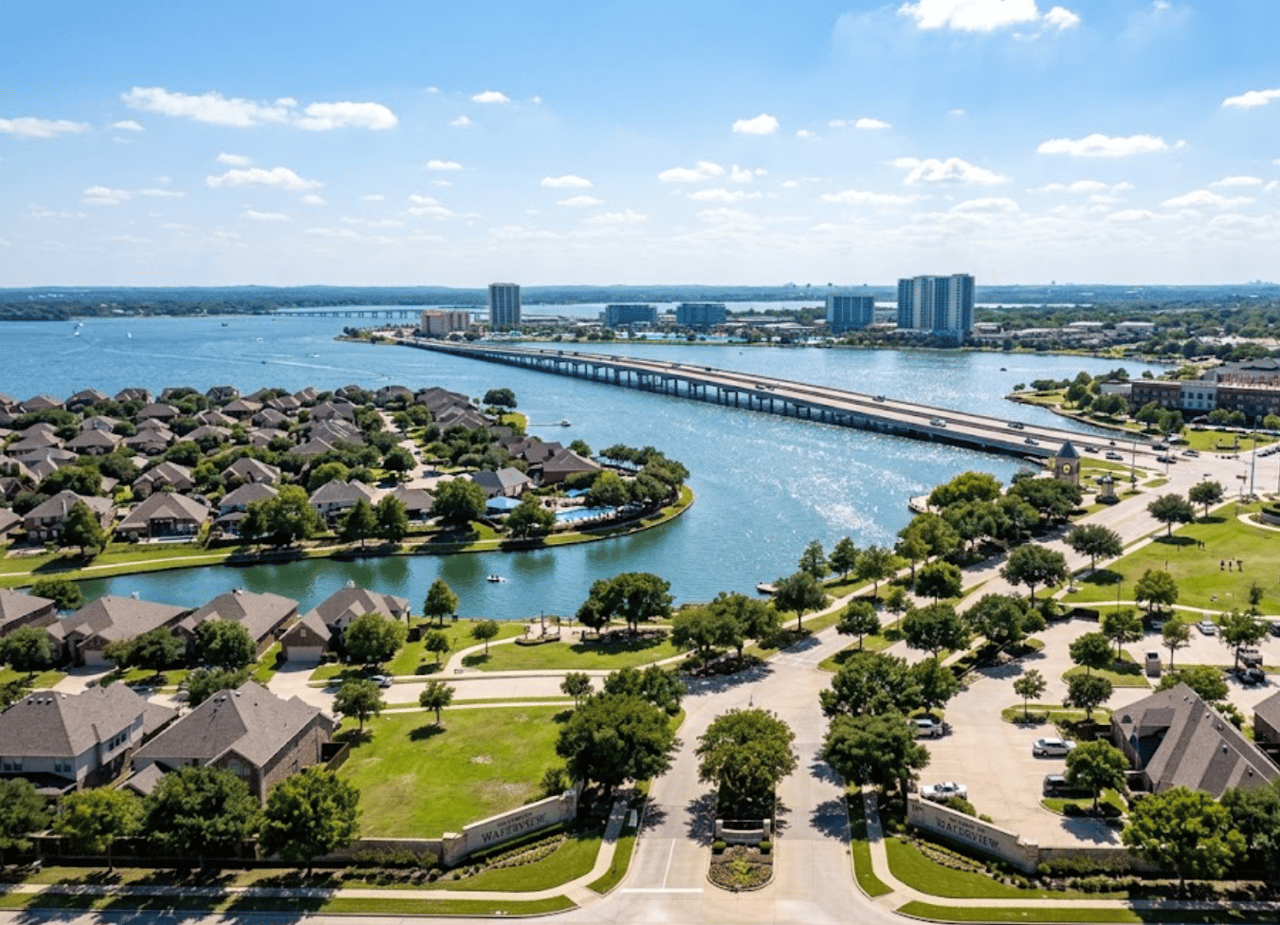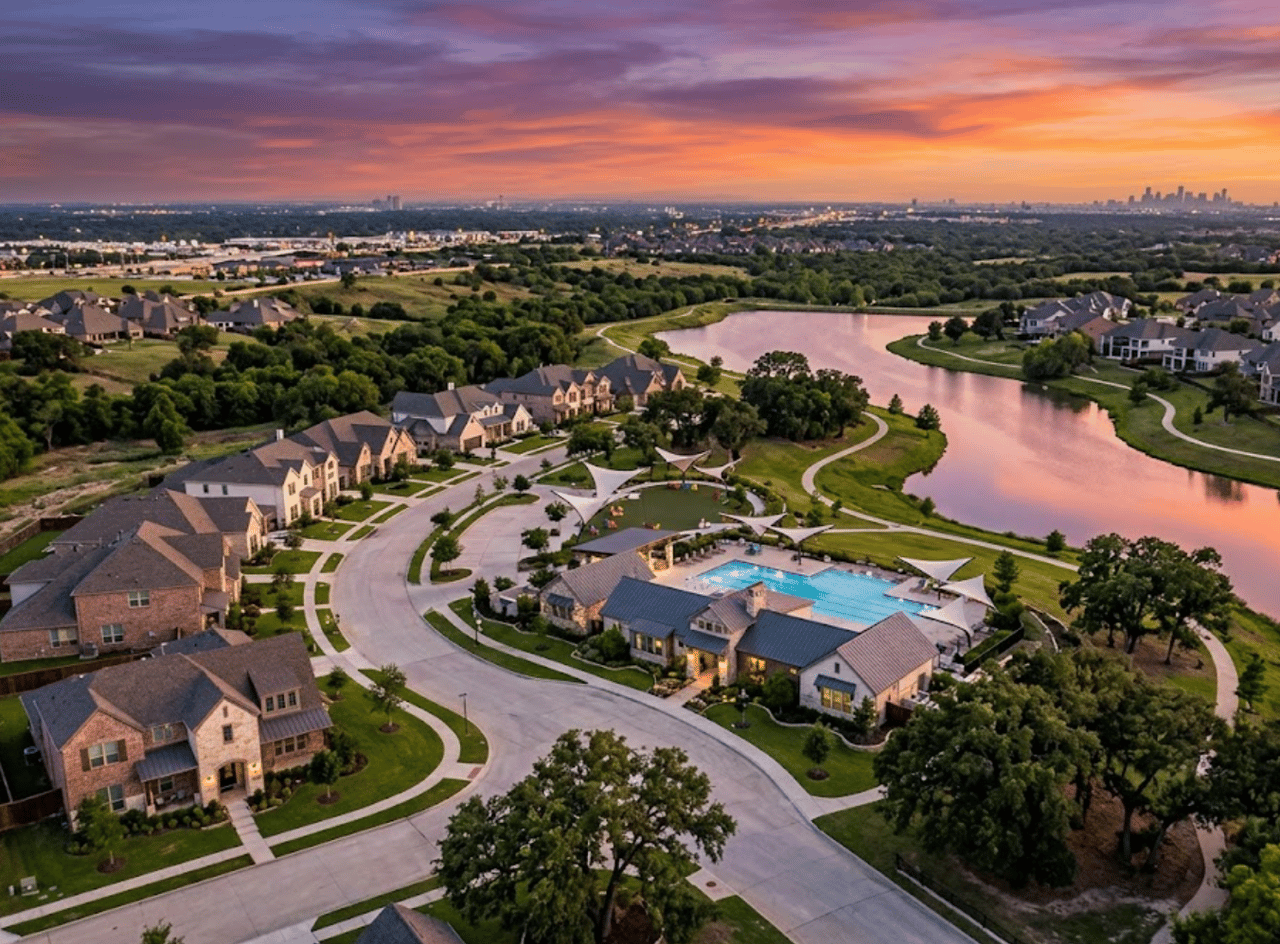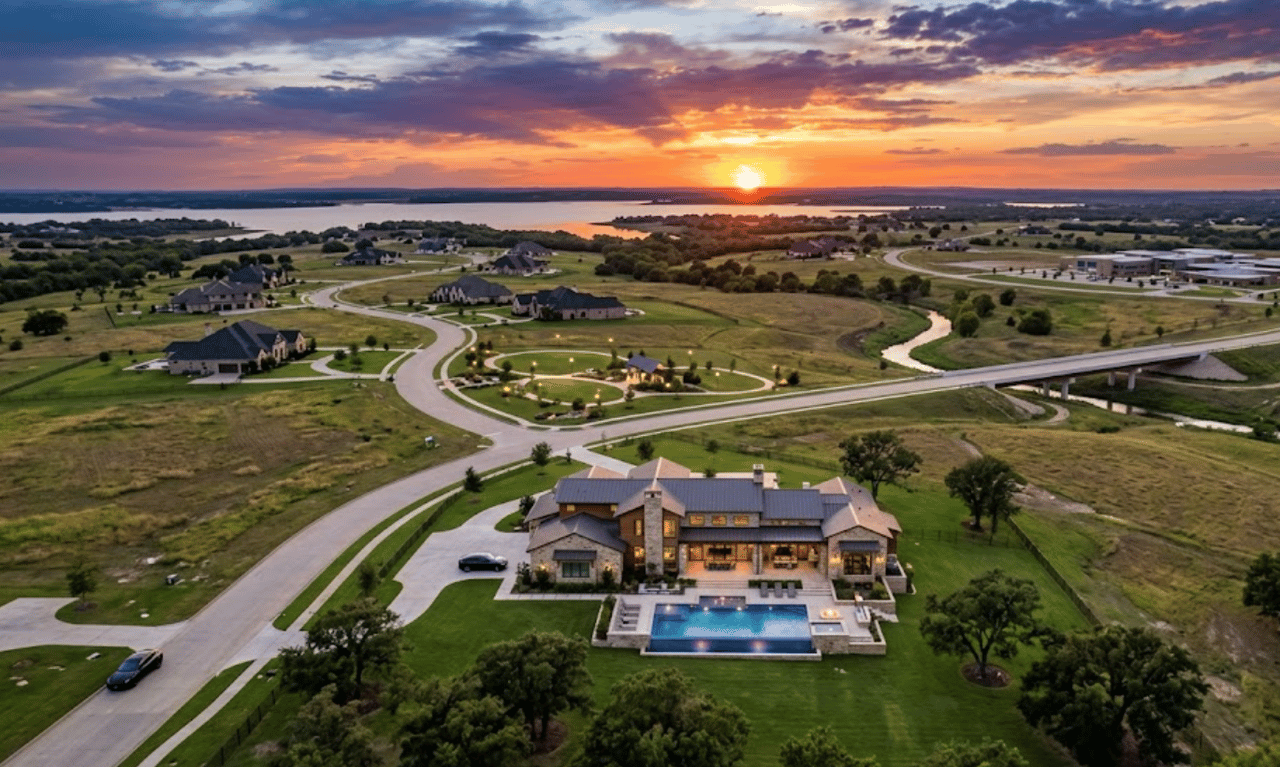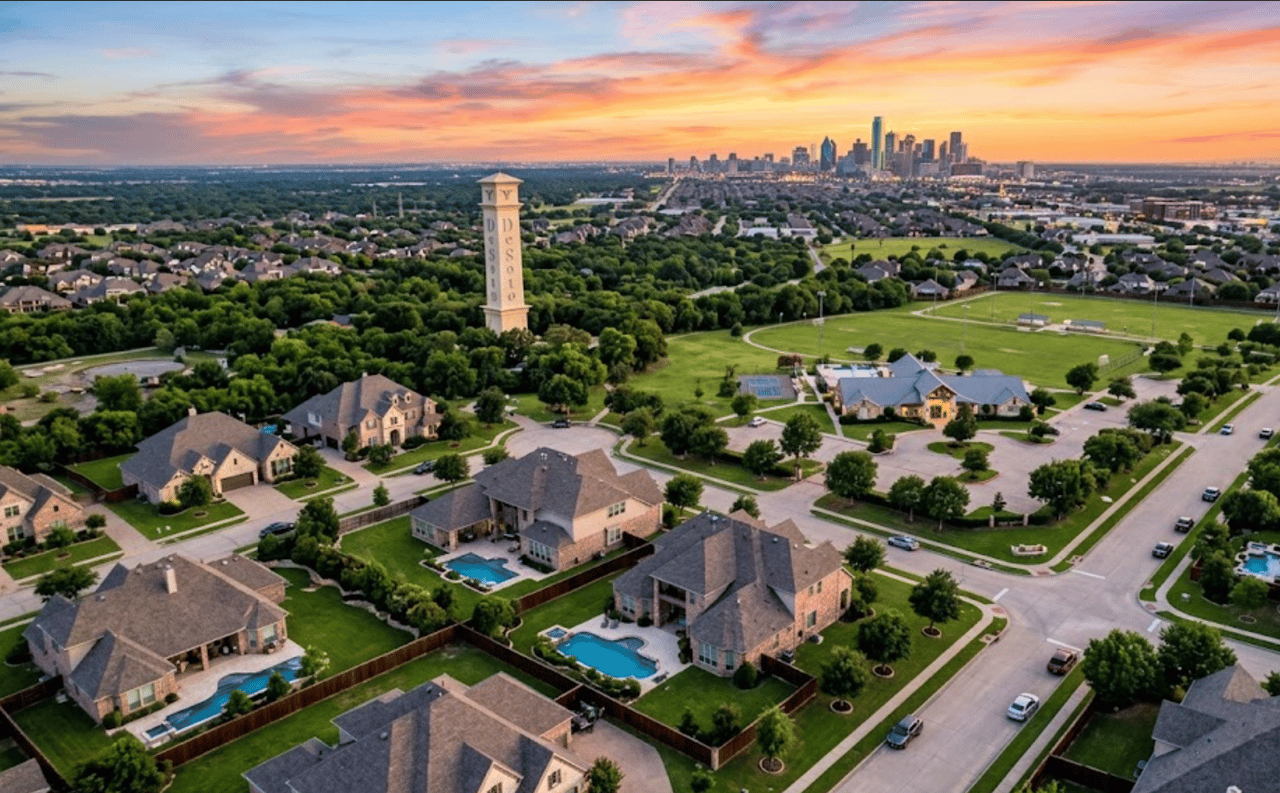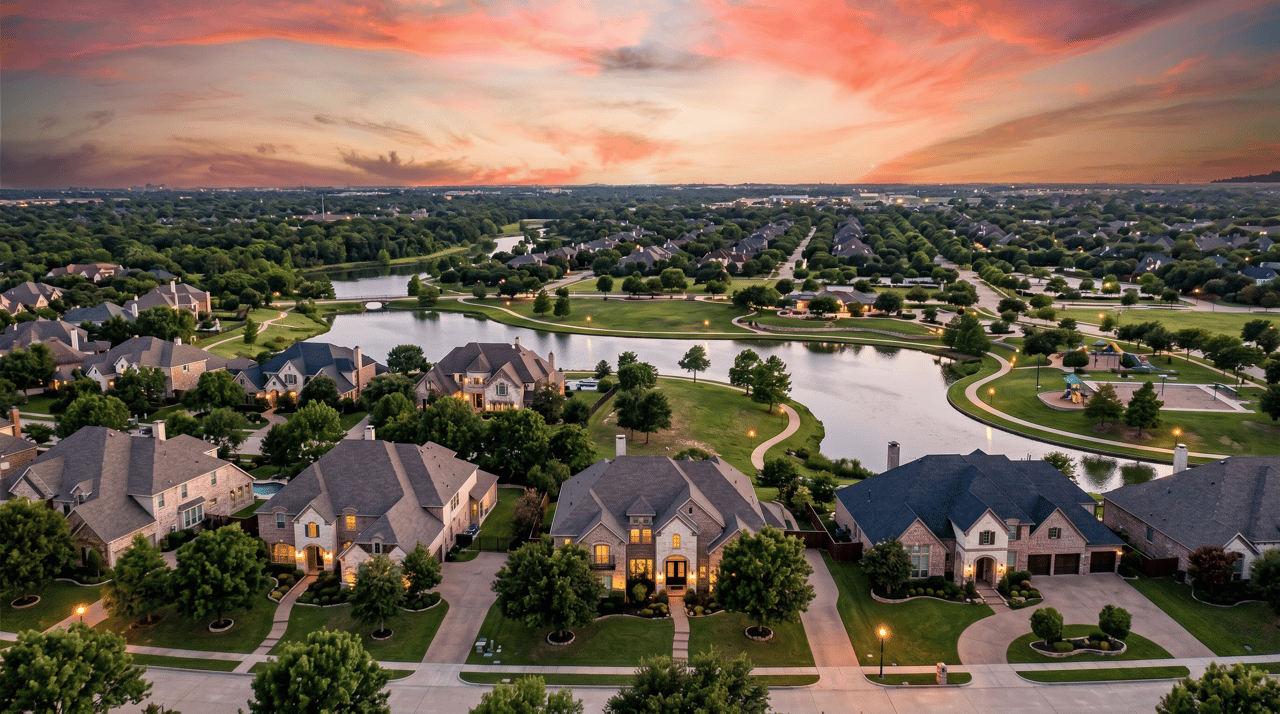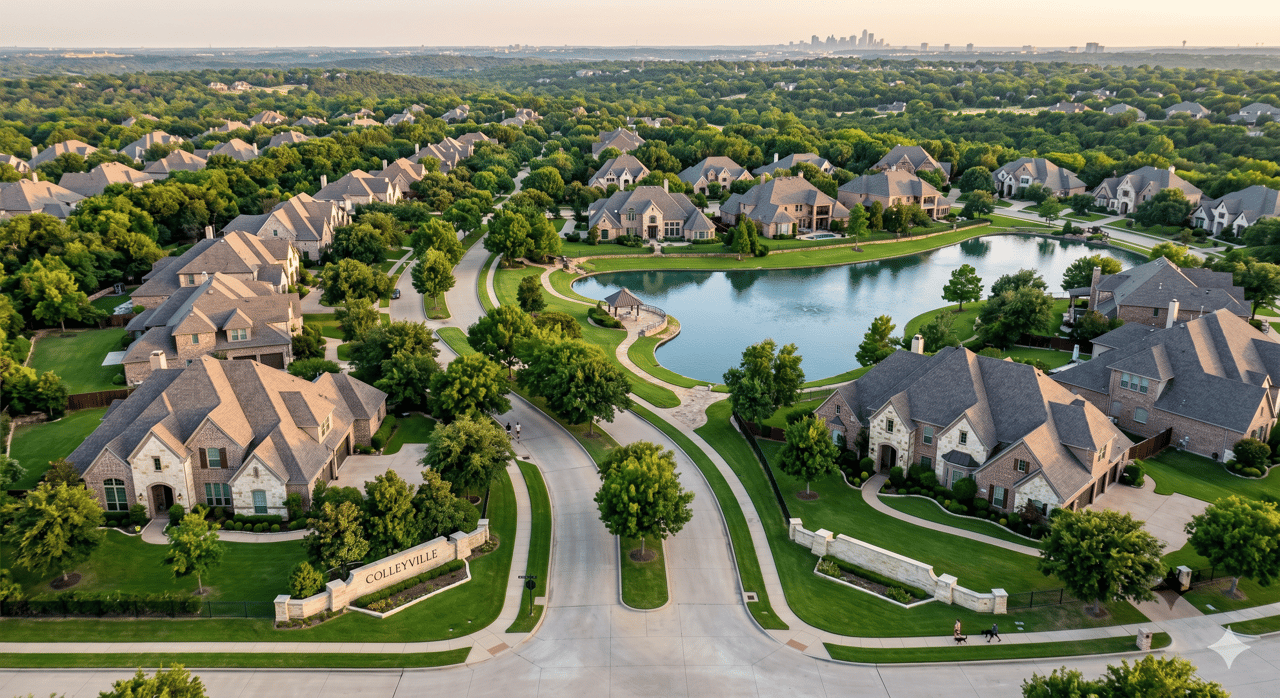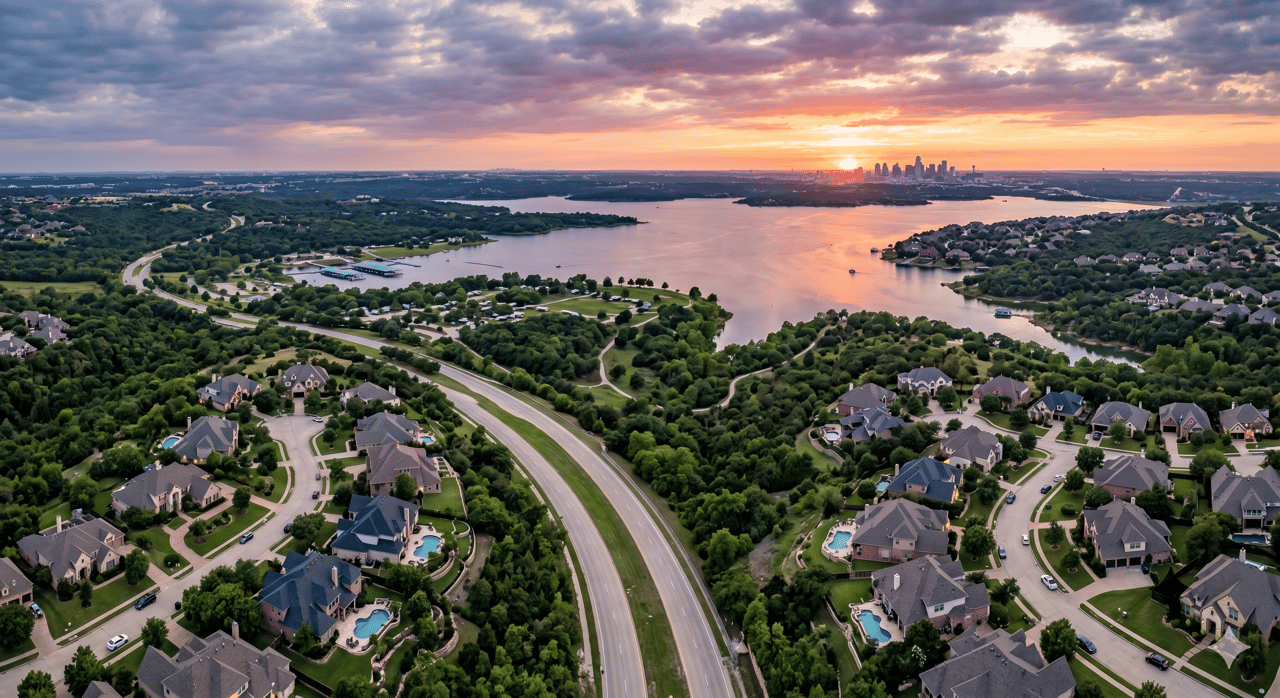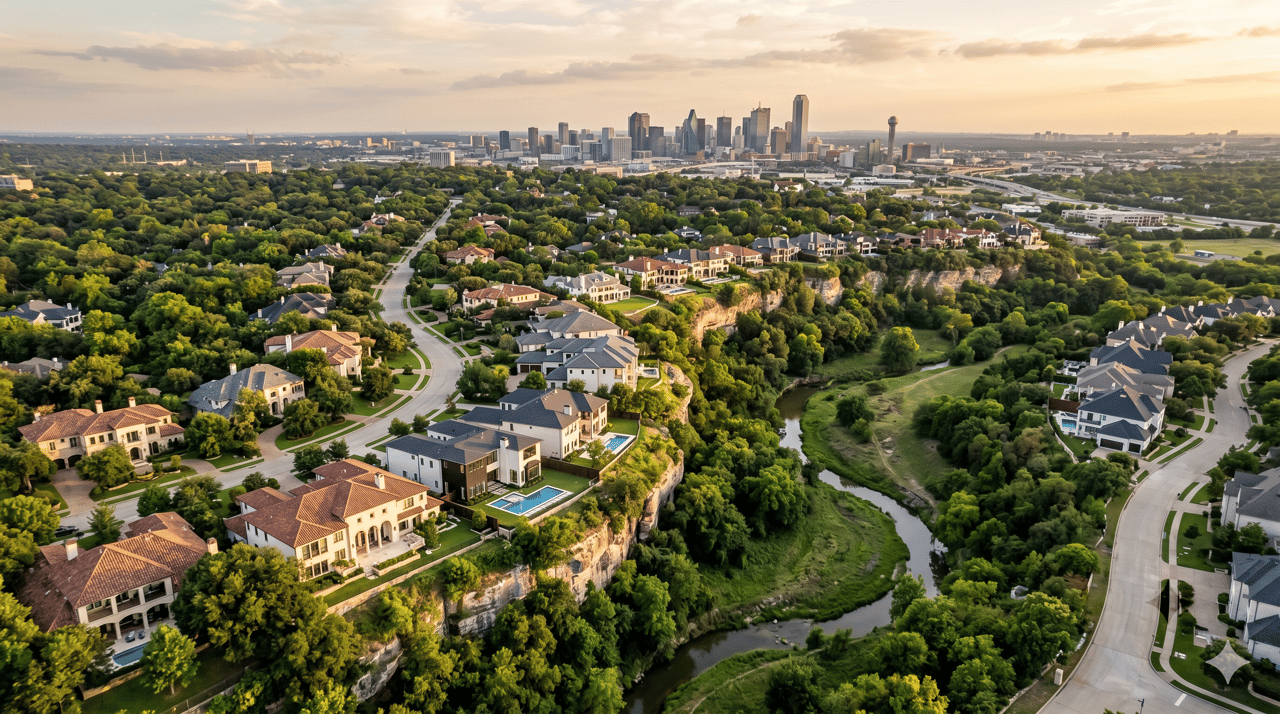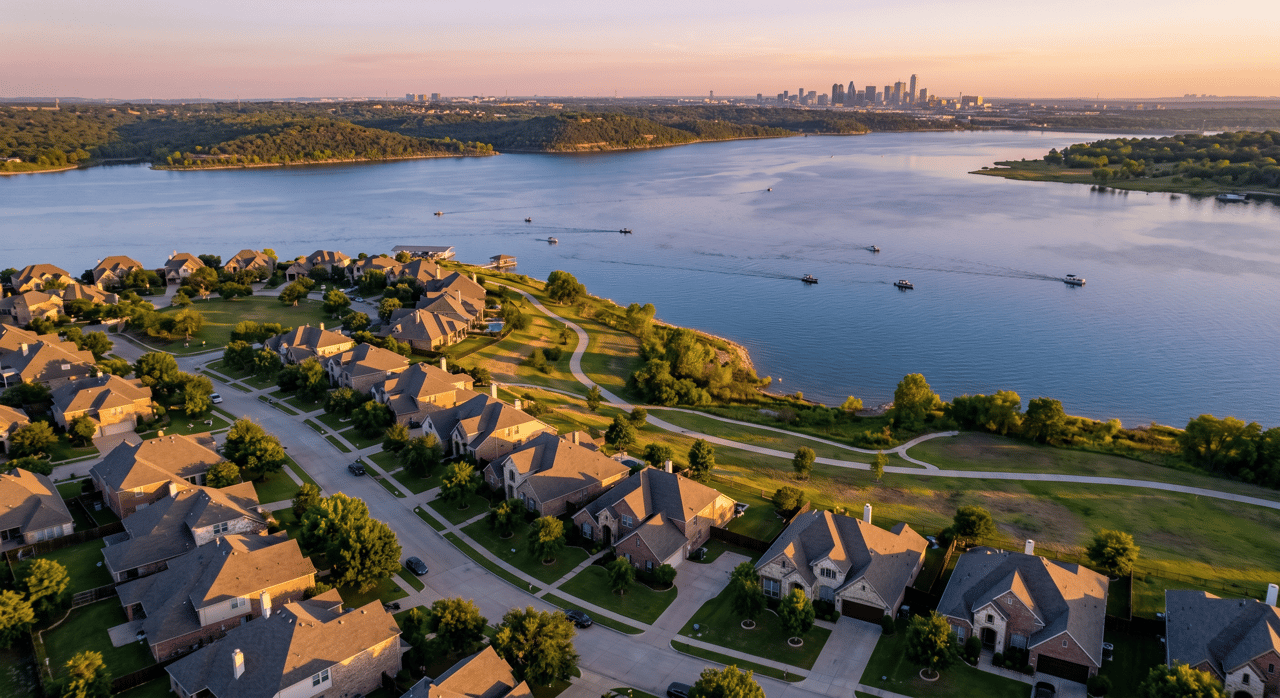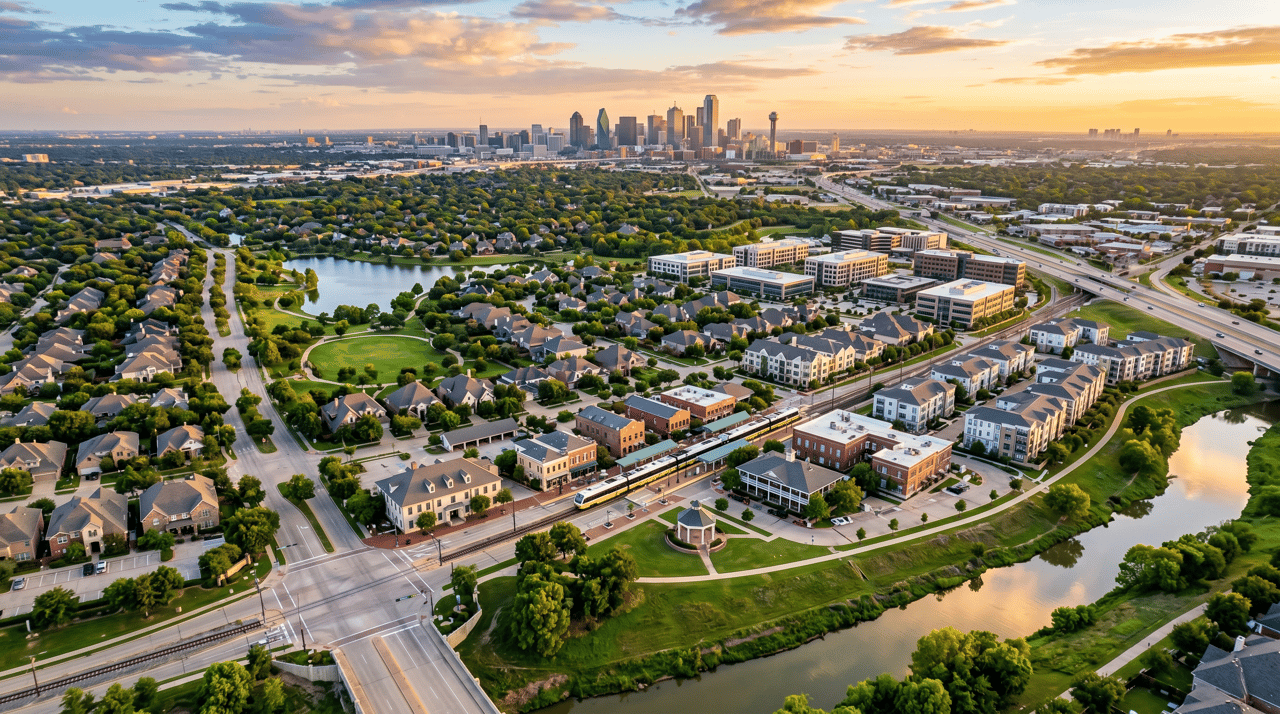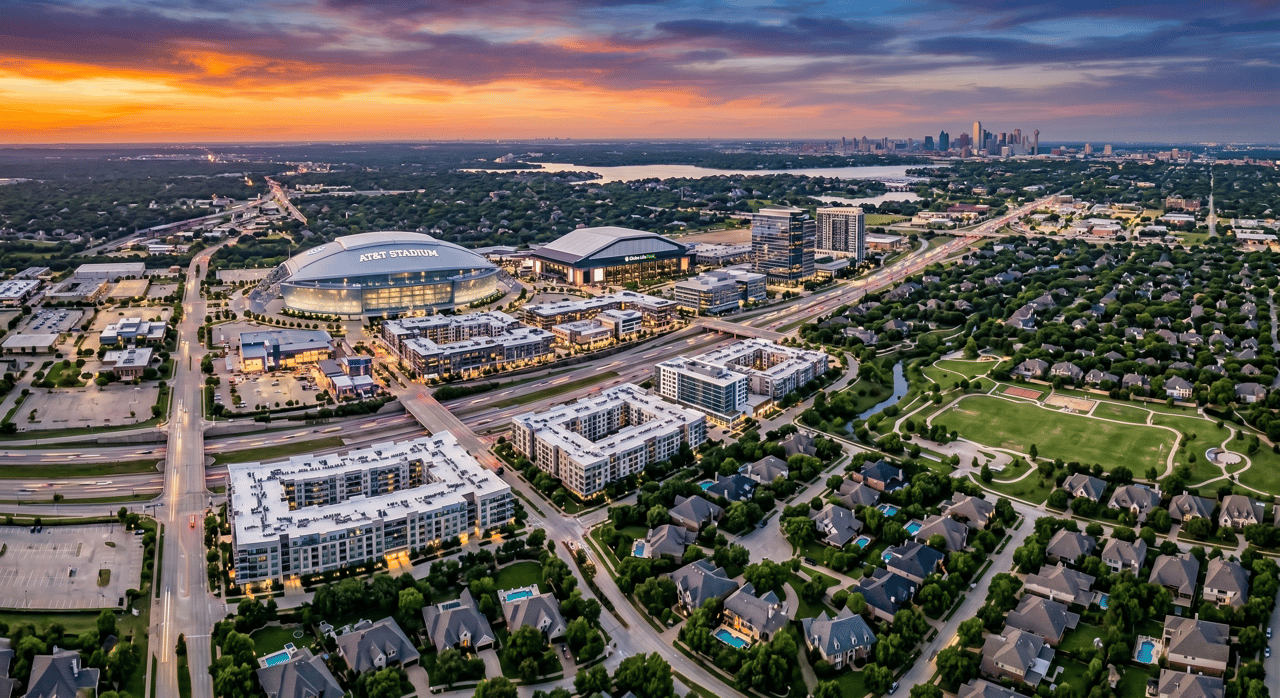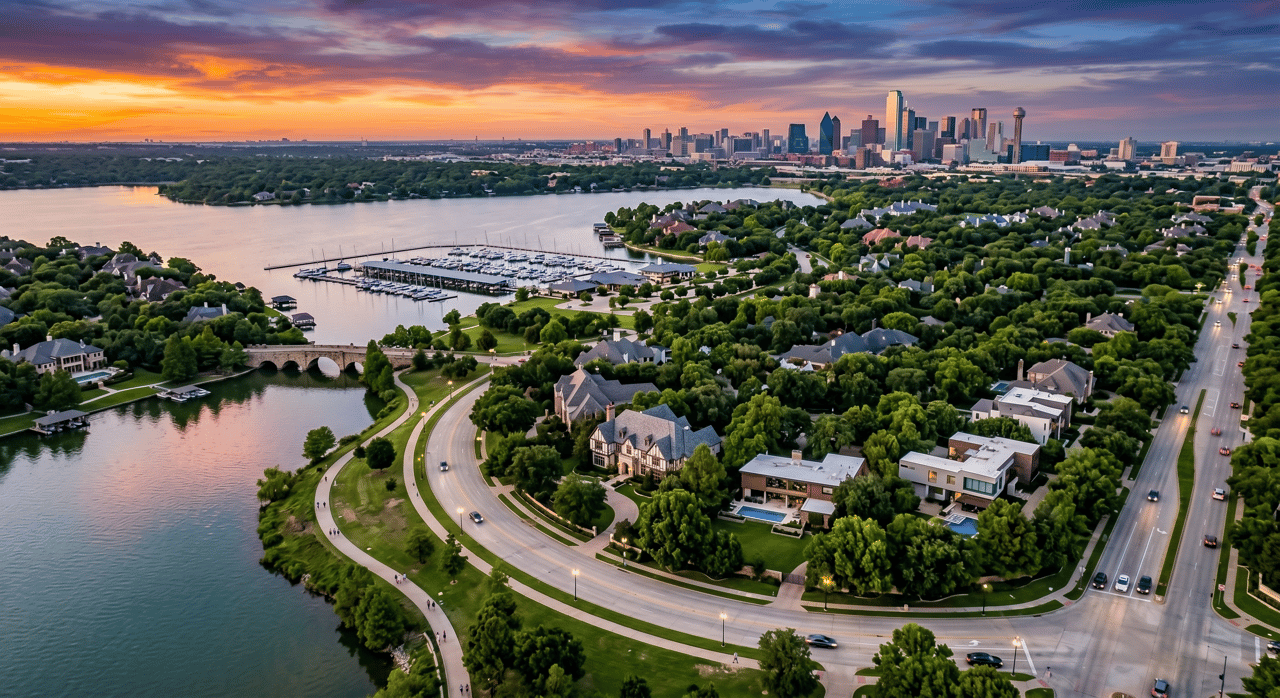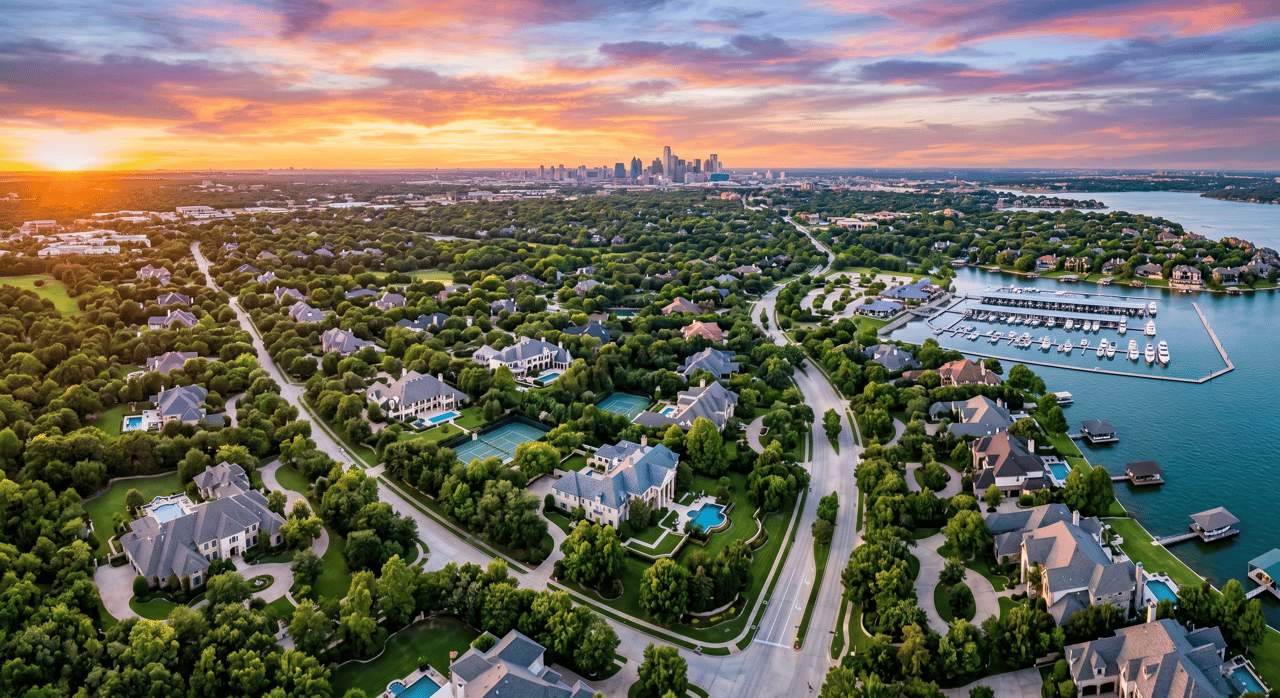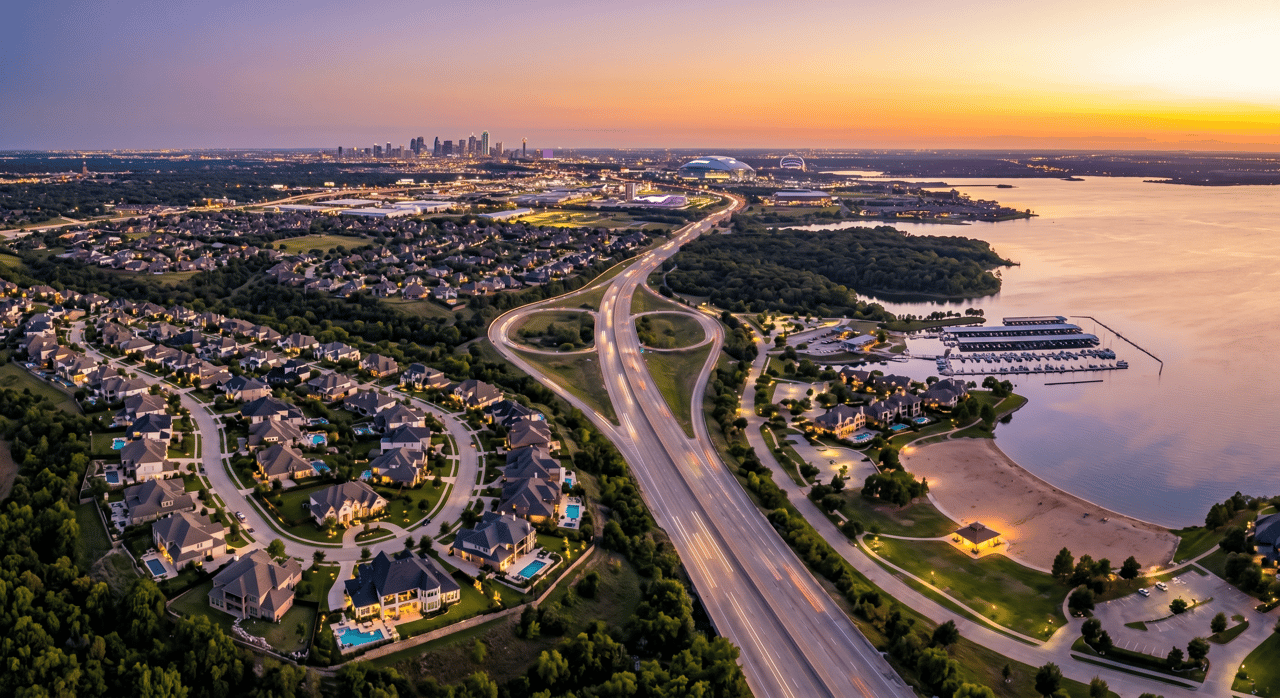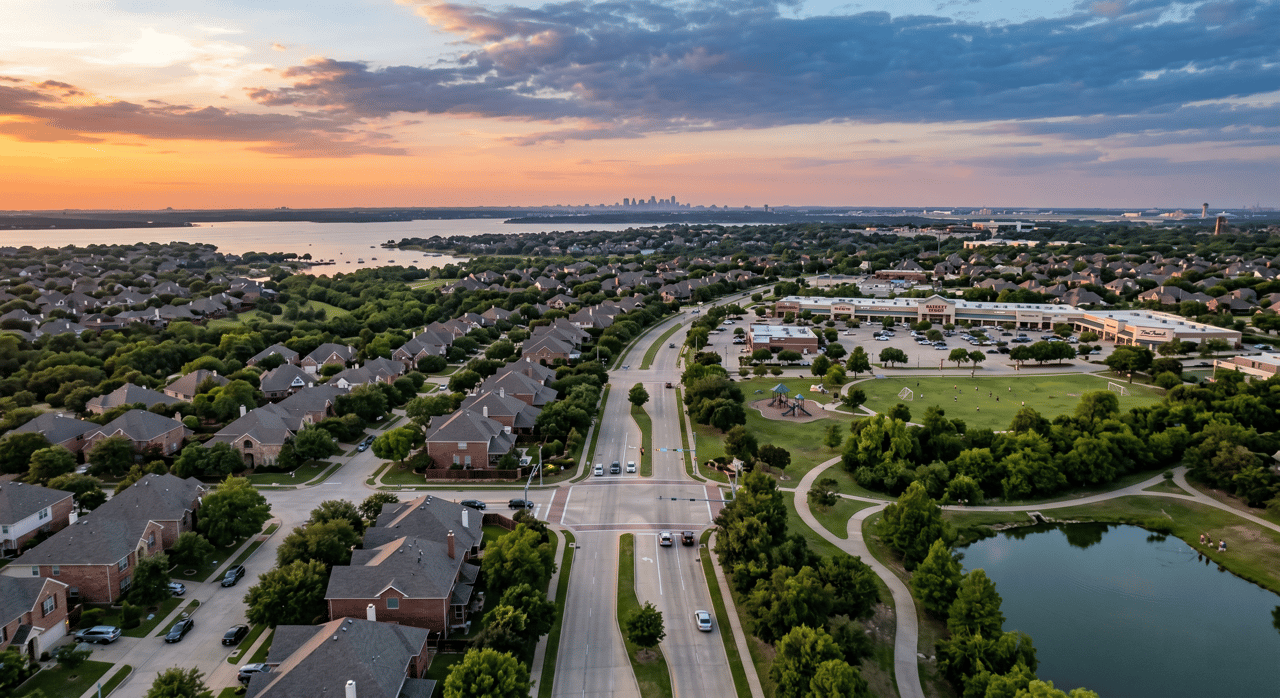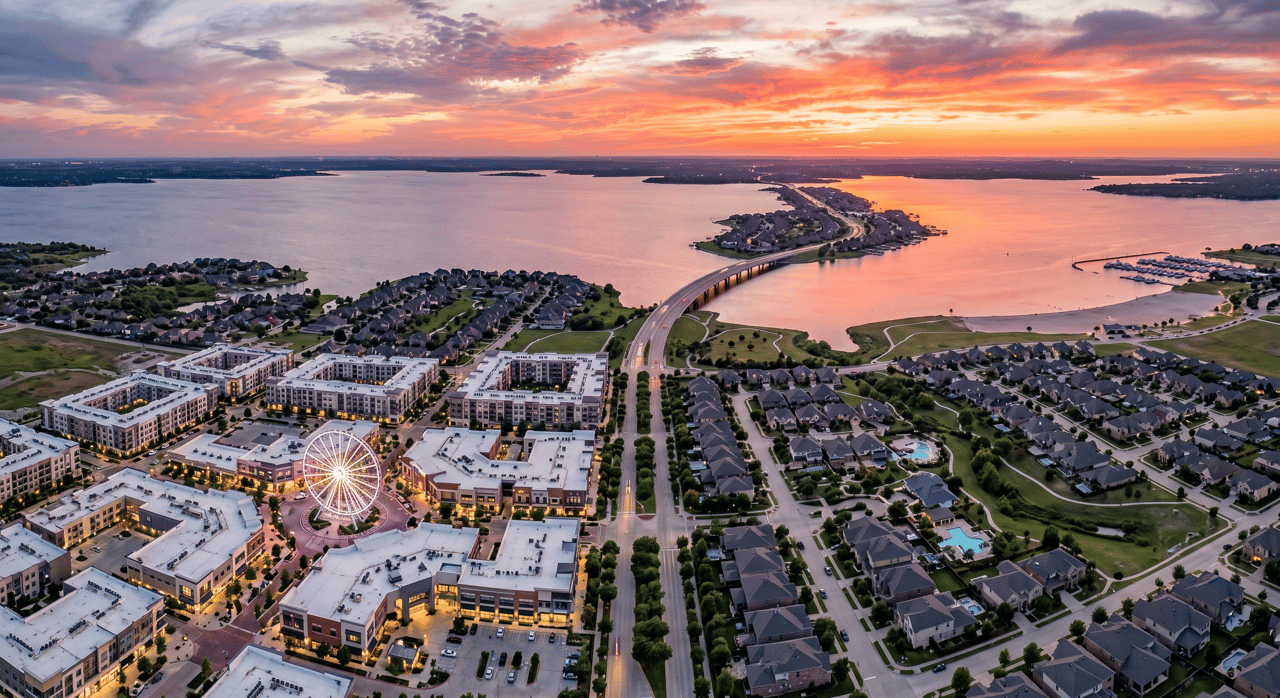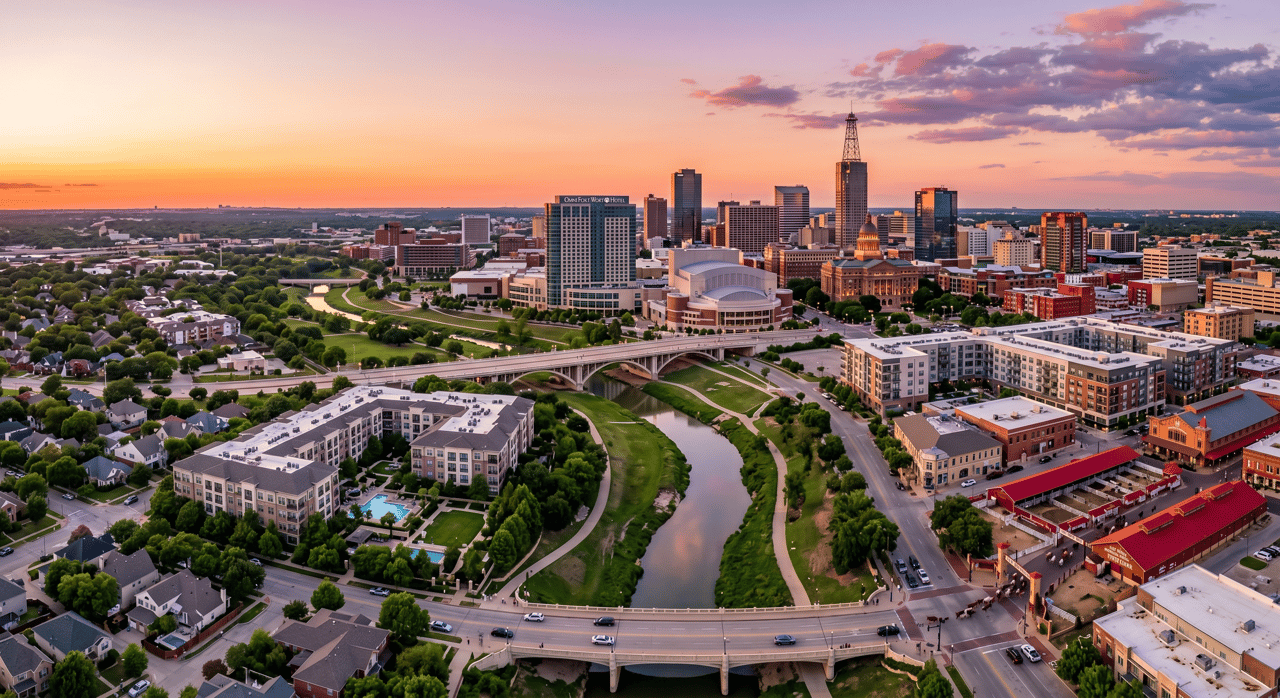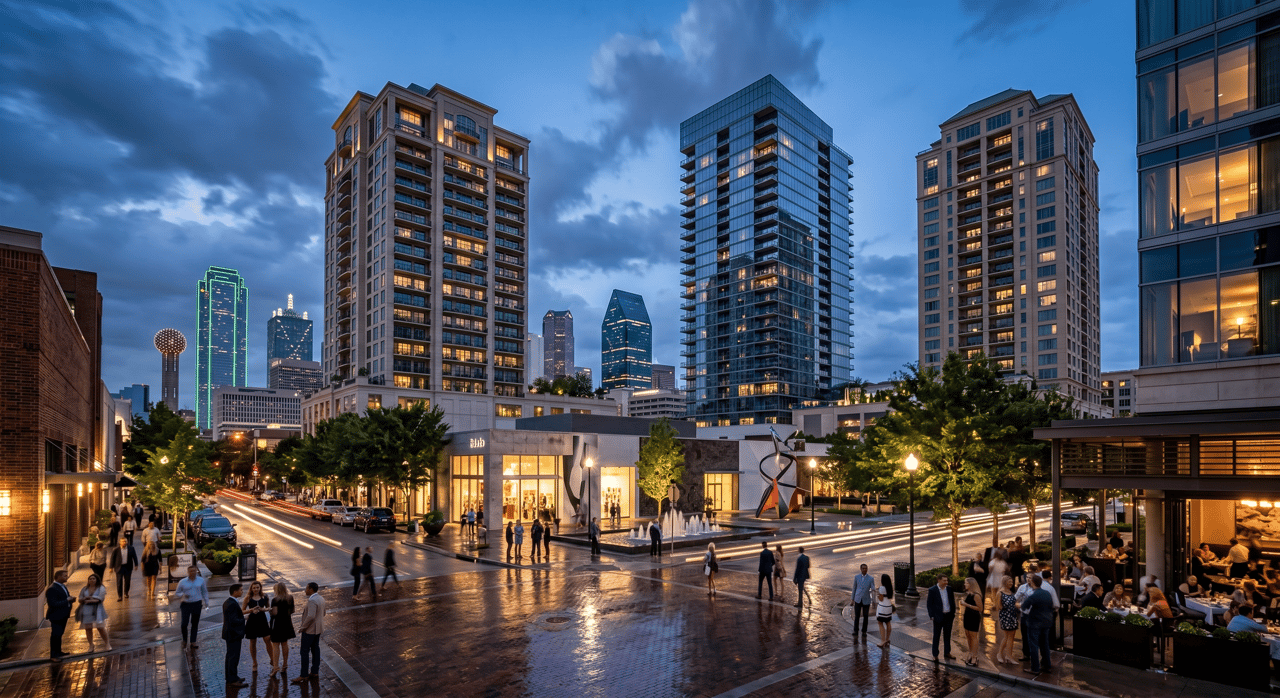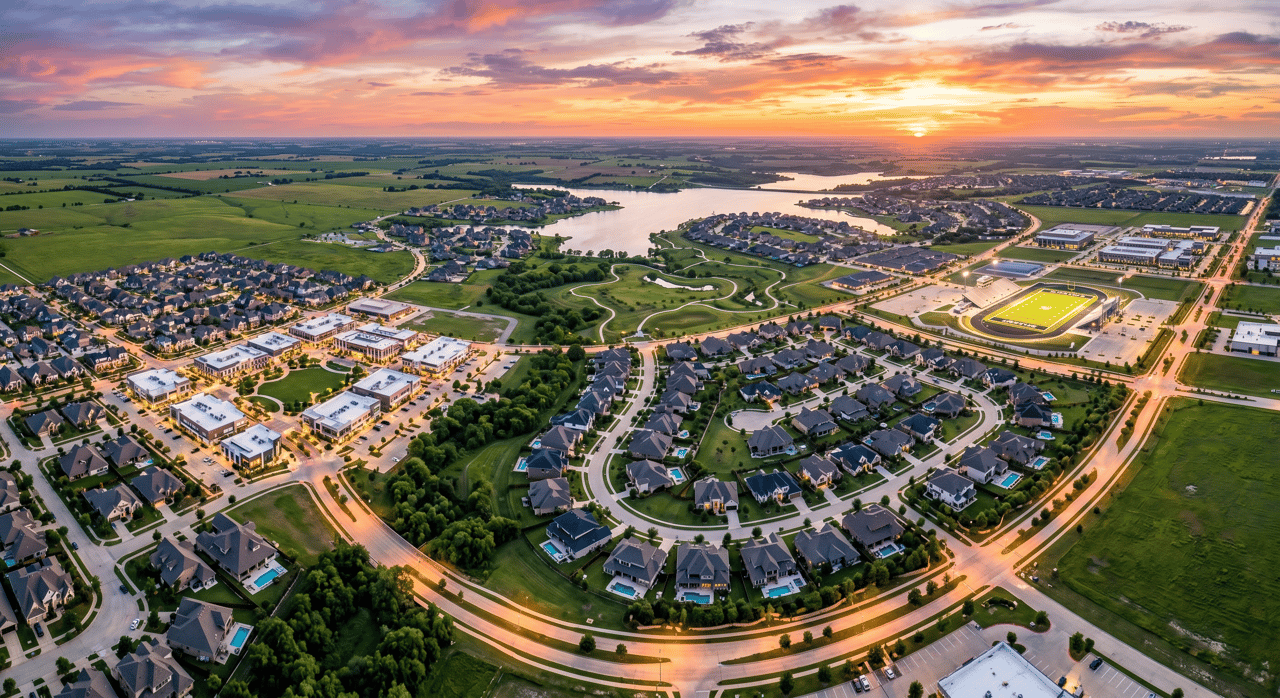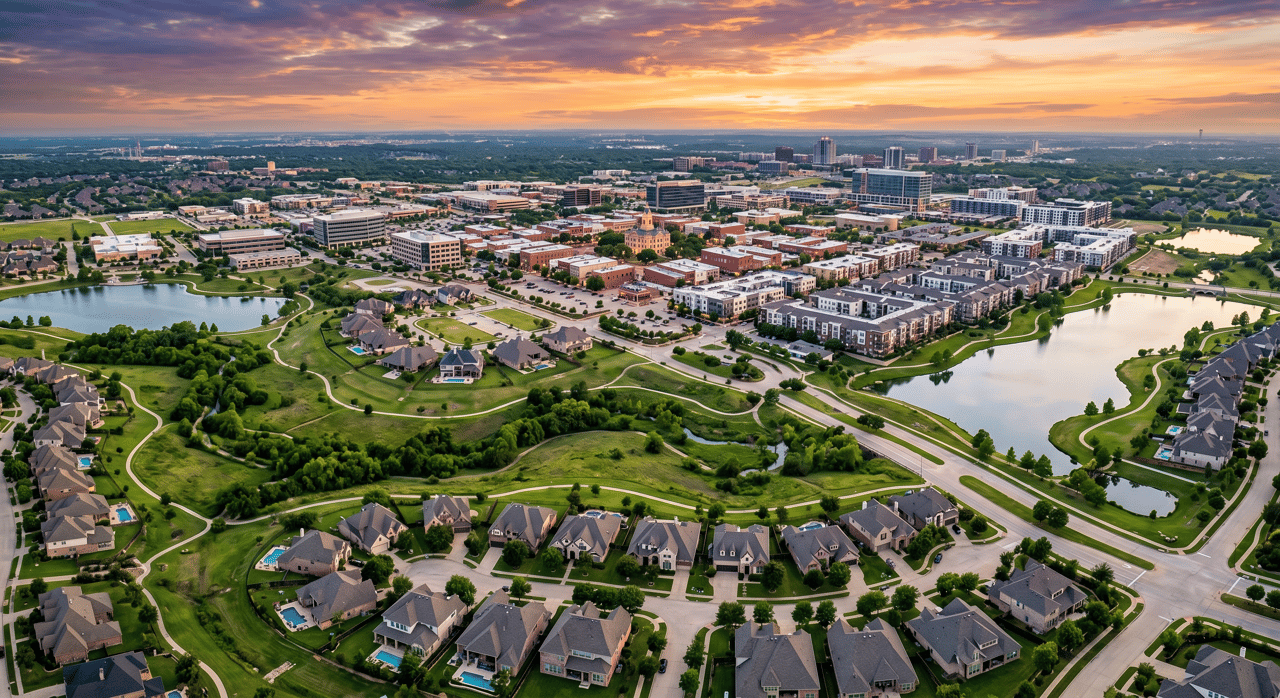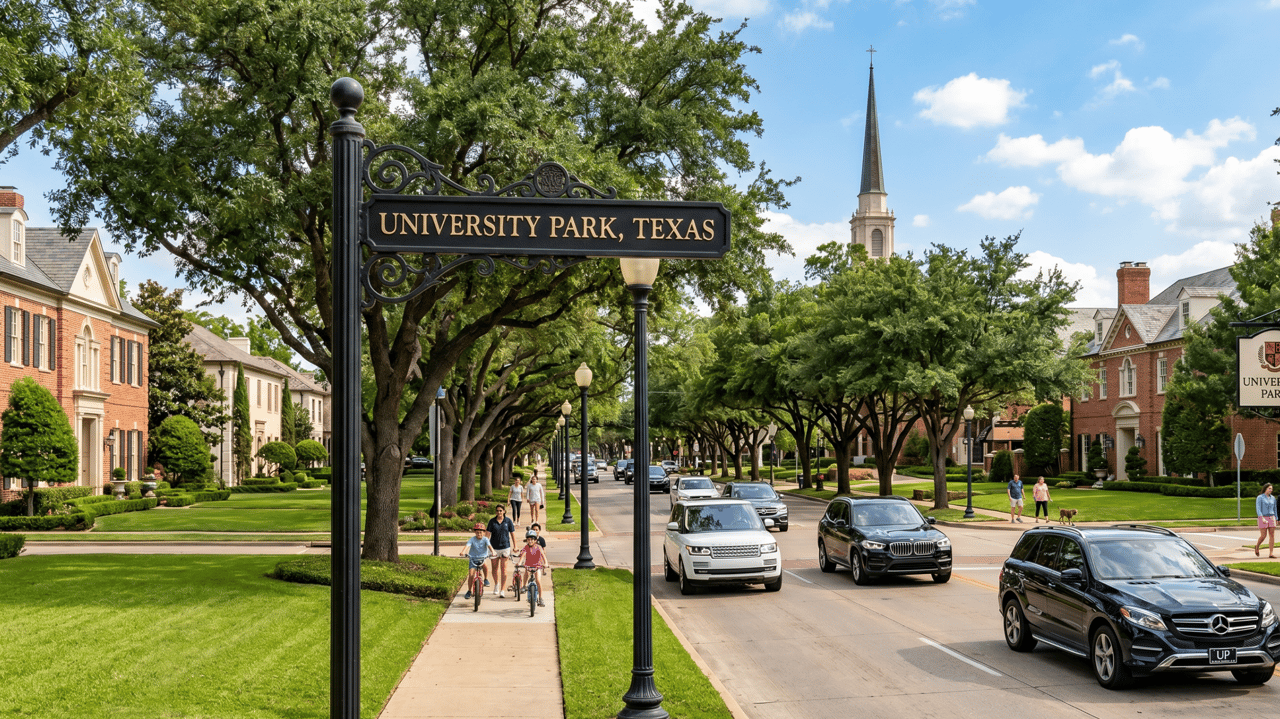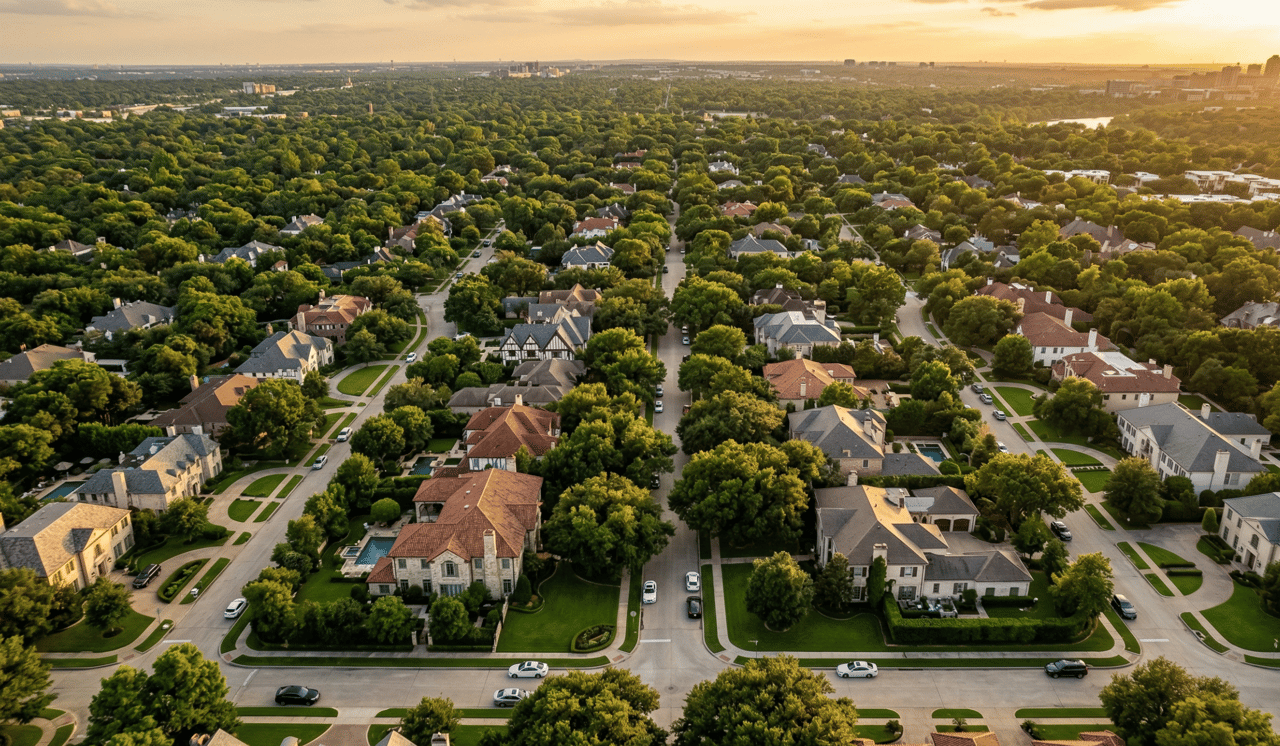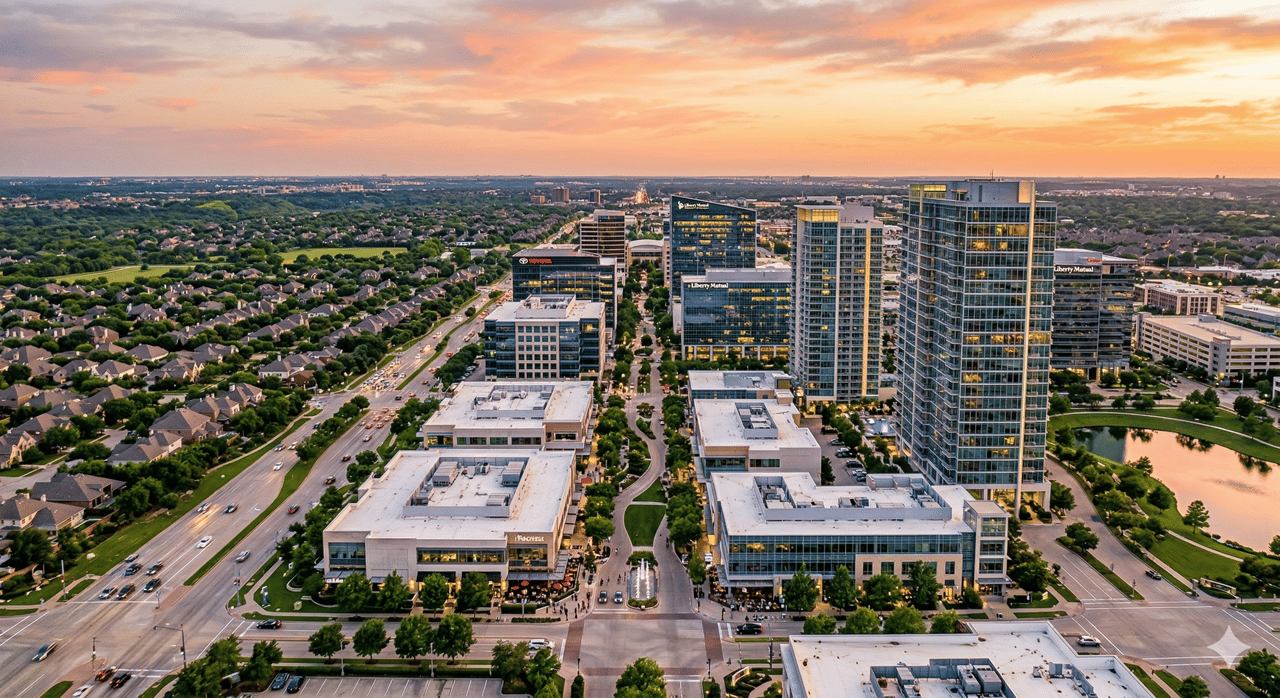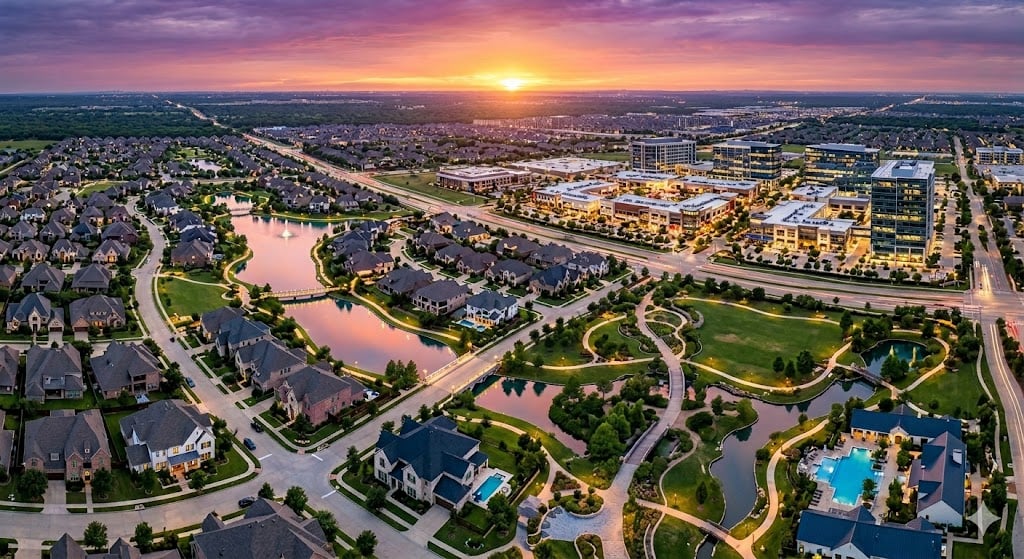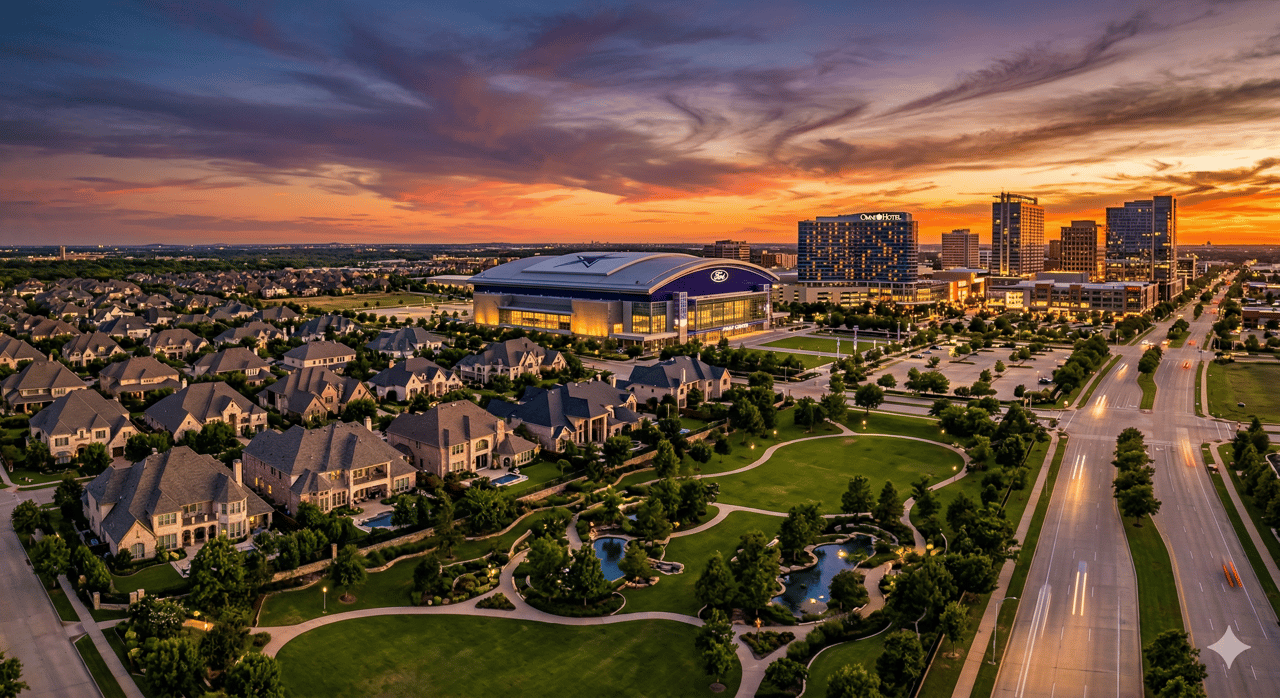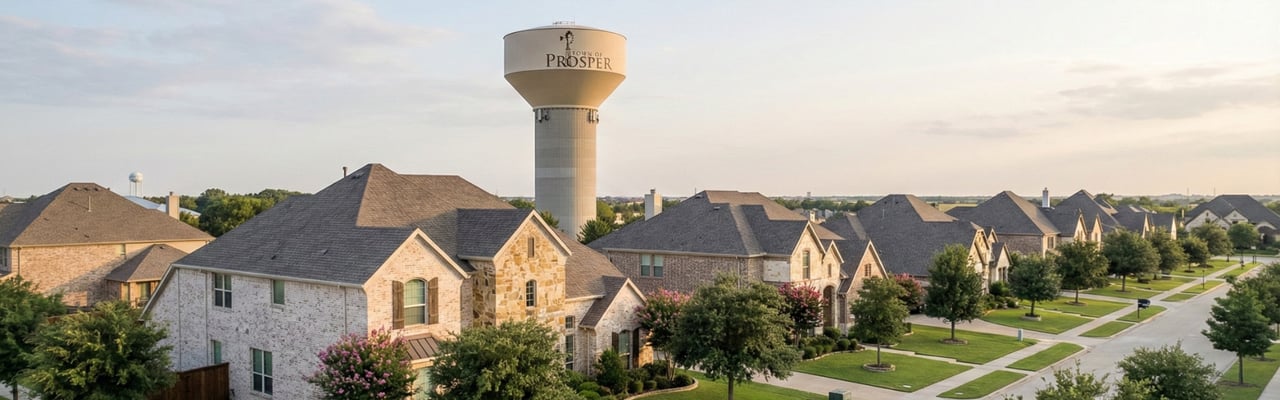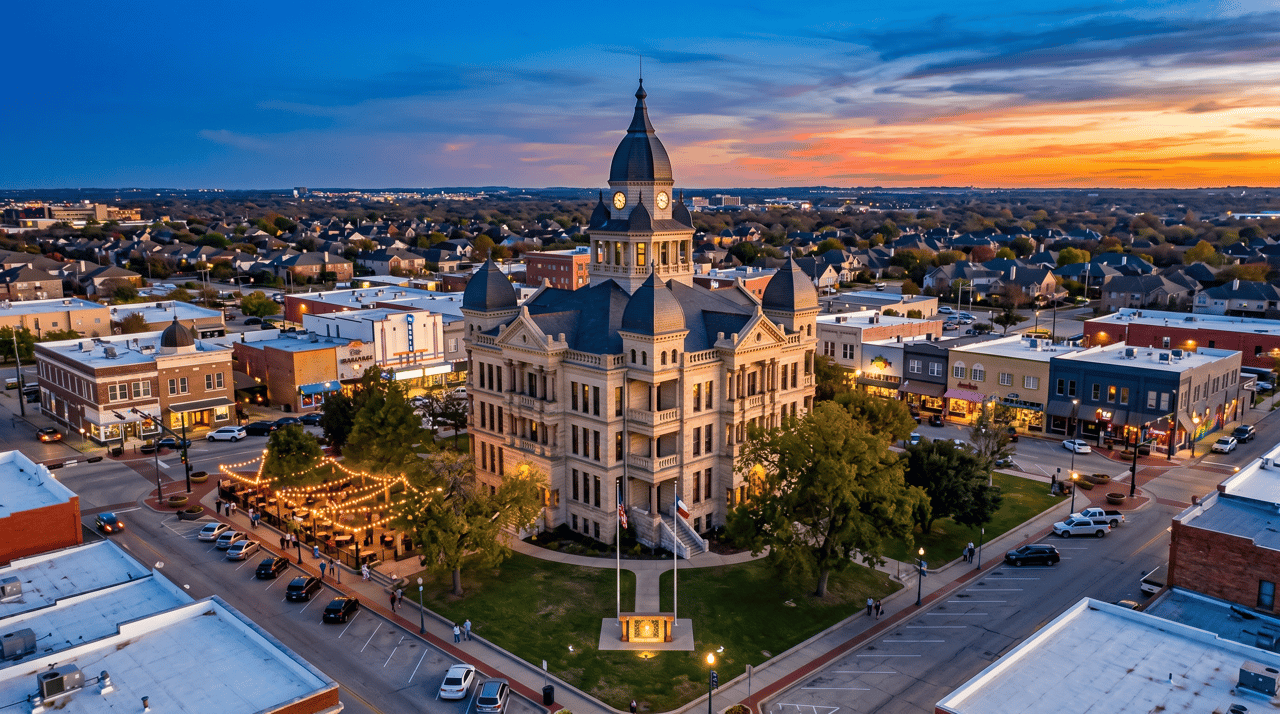
Denton, Texas is one of the fastest-growing and most dynamic housing markets in North Texas, located at the northern edge of the DFW metroplex. Known for its university presence, expanding suburban development, affordability, and commuter accessibility, Denton offers a combination of growth potential, housing flexibility, and neighborhood-level demand across multiple price tiers.
The city has experienced significant long-term growth through continued residential expansion, new-construction development, university-driven demand, and population growth tied to North DFW expansion corridors. Unlike highly stabilized executive suburbs, Denton combines established resale neighborhoods, affordability-focused communities, commuter-oriented developments, and expanding suburban corridors within one market. This creates a housing environment influenced heavily by neighborhood-level dynamics rather than a single city-wide trend.
Buyers are often drawn to Denton for its access to the University of North Texas and Texas Woman’s University, expanding retail and entertainment options, and broad range of housing opportunities across affordability and move-up price tiers. Relocation buyers, first-time homeowners, commuters, investors, and move-up families frequently target Denton for its balance of affordability, accessibility, and long-term growth potential.
Housing in Denton includes a mix of established resale homes, suburban move-up communities, university-adjacent neighborhoods, new-construction developments, executive housing pockets, and active adult communities such as Robson Ranch. Pricing and market behavior vary significantly by neighborhood, proximity to universities, school zoning, commute access, builder activity, and inventory concentration.
Denton is best suited for buyers who prioritize affordability, housing flexibility, commuter convenience, and continued long-term growth. It offers a balanced environment with access to parks, trails, entertainment, universities, and neighborhoods such as Southridge, Robson Ranch, and Southeast Denton growth corridors.
As Denton continues to evolve, its market remains driven by new-construction expansion, commuter growth, university influence, and neighborhood-level demand patterns rather than purely luxury or executive relocation trends. Understanding both the lifestyle and the neighborhood-level housing dynamics is key when making a move here.
For live pricing trends and inventory data, view the Denton Real Estate Market Report.
169,570 people live in Denton TX Community & Neighborhood Guide, where the median age is 33.1 and the average individual income is $38,485. Data provided by the U.S. Census Bureau.
Total Population
Median Age
Population Density Population Density This is the number of people per square mile in a neighborhood.
Average individual Income
There's plenty to do around Denton TX Community & Neighborhood Guide, including shopping, dining, nightlife, parks, and more. Data provided by Walk Score and Yelp.
Explore popular things to do in the area, including Devine Labs, White Beverage Distributors, and The Snowman's Beard.
| Name | Category | Distance | Reviews |
Ratings by
Yelp
|
|---|---|---|---|---|
| Dining | 0.42 miles | 0 reviews | 0/5 stars | |
| Dining | 0.53 miles | 0 reviews | 0/5 stars | |
| Dining | 0.6 miles | 0 reviews | 0/5 stars | |
| Dining | 0.62 miles | 1 review | 2/5 stars | |
| Dining | 0.62 miles | 1 review | 1/5 stars | |
| Dining · $ | 0.63 miles | 292 reviews | 4.4/5 stars | |
| Dining | 0.65 miles | 0 reviews | 0/5 stars | |
| Dining · $$ | 0.65 miles | 67 reviews | 4.2/5 stars | |
| Dining | 0.65 miles | 1 review | 1/5 stars | |
| Dining · $$ | 0.65 miles | 1 review | 4/5 stars | |
| Dining | 0.66 miles | 1 review | 4/5 stars | |
| Dining | 0.67 miles | 11 reviews | 3.3/5 stars | |
| Shopping | 0.42 miles | 0 reviews | 0/5 stars | |
| Active | 0.11 miles | 1 review | 5/5 stars | |
| Active | 0.11 miles | 0 reviews | 0/5 stars | |
| Active | 0.24 miles | 1 review | 4/5 stars | |
| Active | 0.3 miles | 1 review | 4/5 stars | |
| Active | 0.44 miles | 7 reviews | 4/5 stars | |
| Active | 0.5 miles | 0 reviews | 0/5 stars | |
| Active | 0.58 miles | 1 review | 5/5 stars | |
| Nightlife | 0.57 miles | 0 reviews | 0/5 stars | |
| Beauty | 0.57 miles | 0 reviews | 0/5 stars | |
| Beauty | 0.57 miles | 0 reviews | 0/5 stars | |
| Beauty | 0.64 miles | 0 reviews | 0/5 stars | |
|
|
||||
|
|
||||
|
|
||||
|
|
||||
|
|
||||
|
|
Denton TX Community & Neighborhood Guide has 62,380 households, with an average household size of 2.5733333333333333. Data provided by the U.S. Census Bureau. Here’s what the people living in Denton TX Community & Neighborhood Guide do for work — and how long it takes them to get there. Data provided by the U.S. Census Bureau. 169,570 people call Denton TX Community & Neighborhood Guide home. The population density is 2,932 and the largest age group is Data provided by the U.S. Census Bureau.
Total Population
Population Density Population Density This is the number of people per square mile in a neighborhood.
Median Age
Men vs Women
Population by Age Group
0-9 Years
10-17 Years
18-24 Years
25-64 Years
65-74 Years
75+ Years
Education Level
Total Households
Average Household Size
Average individual Income
Households with Children
With Children:
Without Children:
Marital Status
Blue vs White Collar Workers
Blue Collar:
White Collar:
Find out why our clients and our team of expert agents are the happiest in the Dallas-Fort Worth Metroplex. We are thrilled to have the opportunity to work with you!