Leave a Message

Thank you for your message. We will be in touch with you shortly.

Grand Prairie TX Community & Neighborhood Guide

Grand Prairie TX Community & Neighborhood Guide

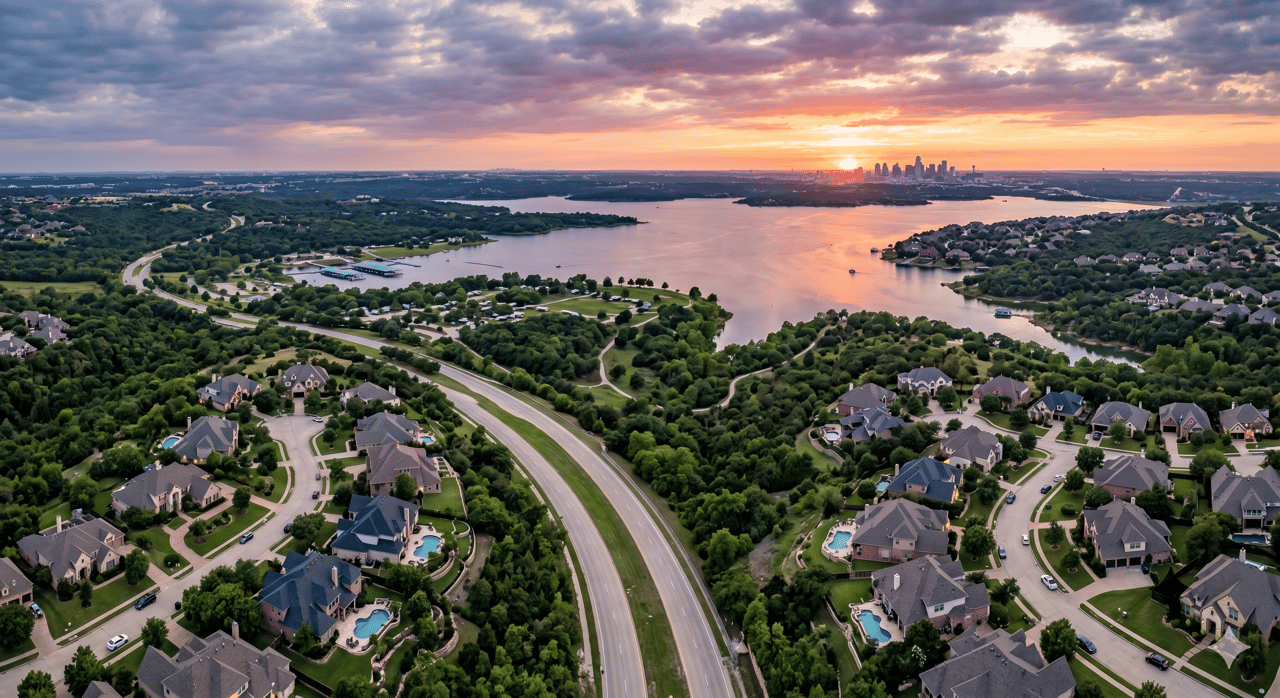
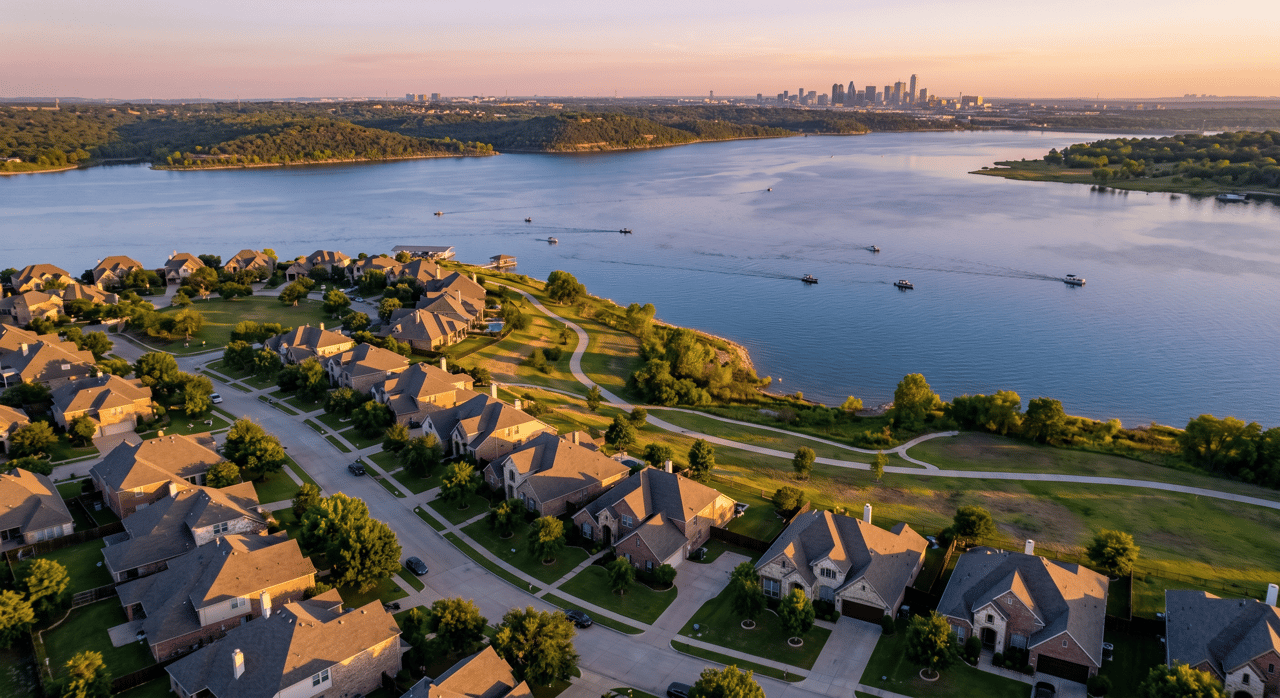
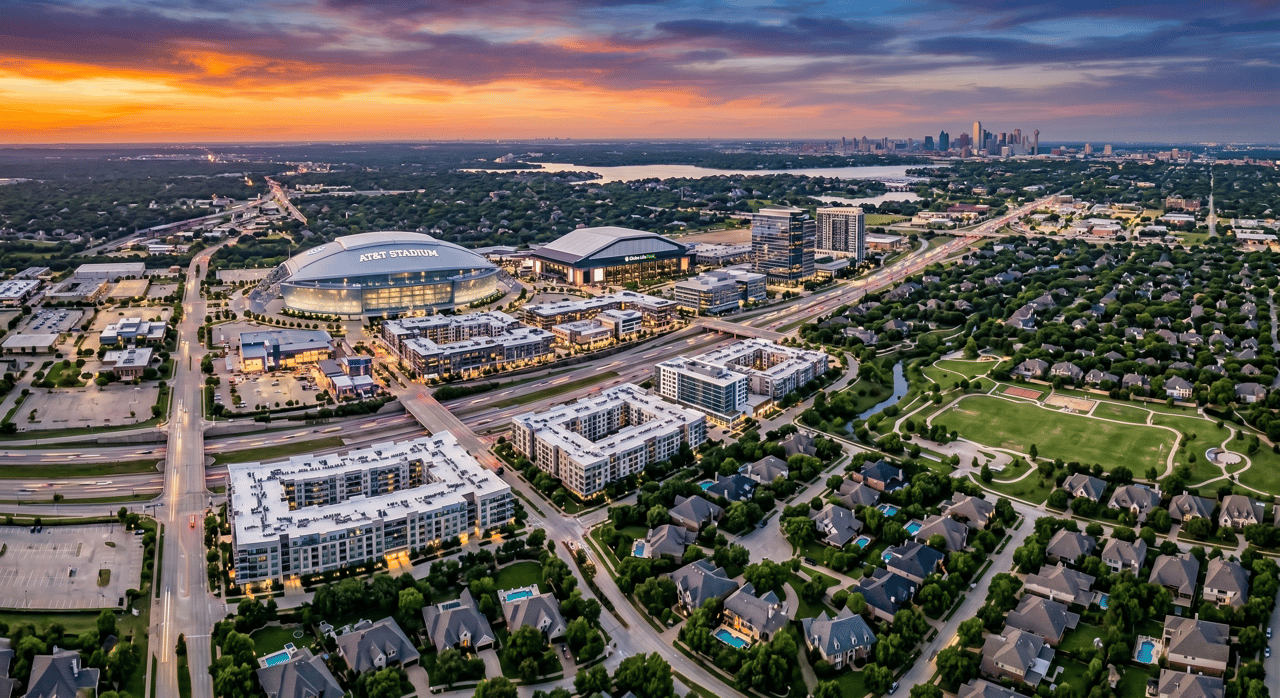
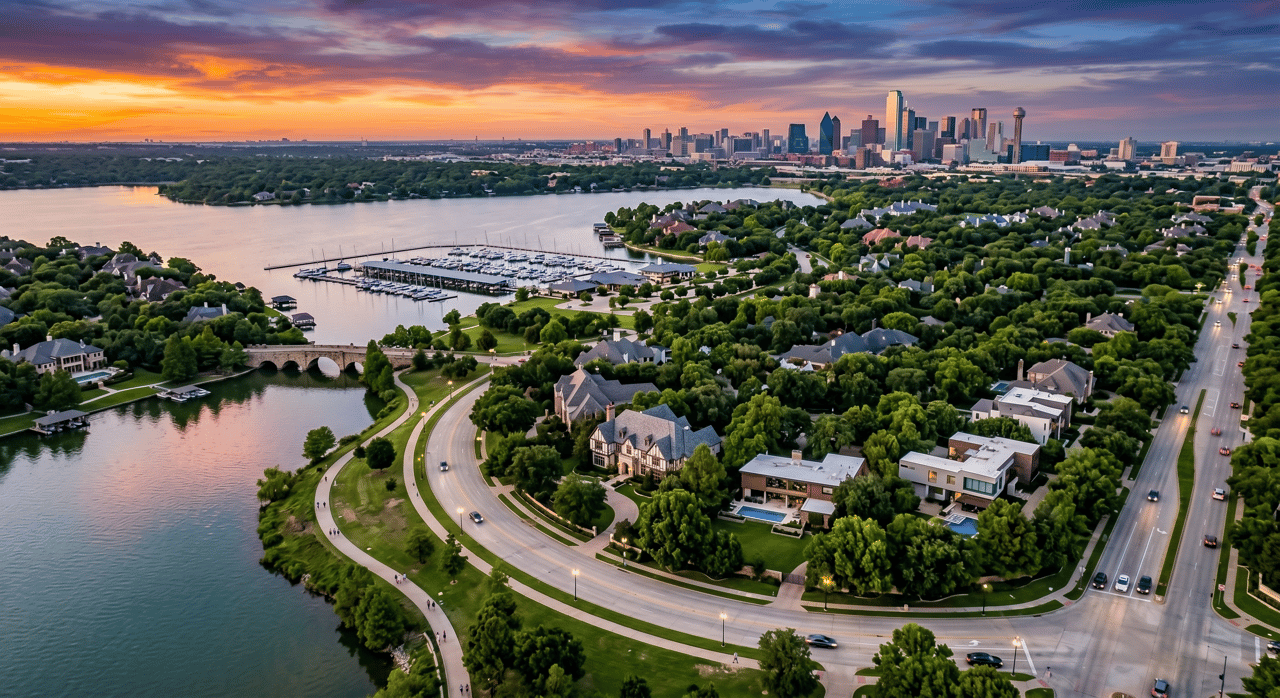
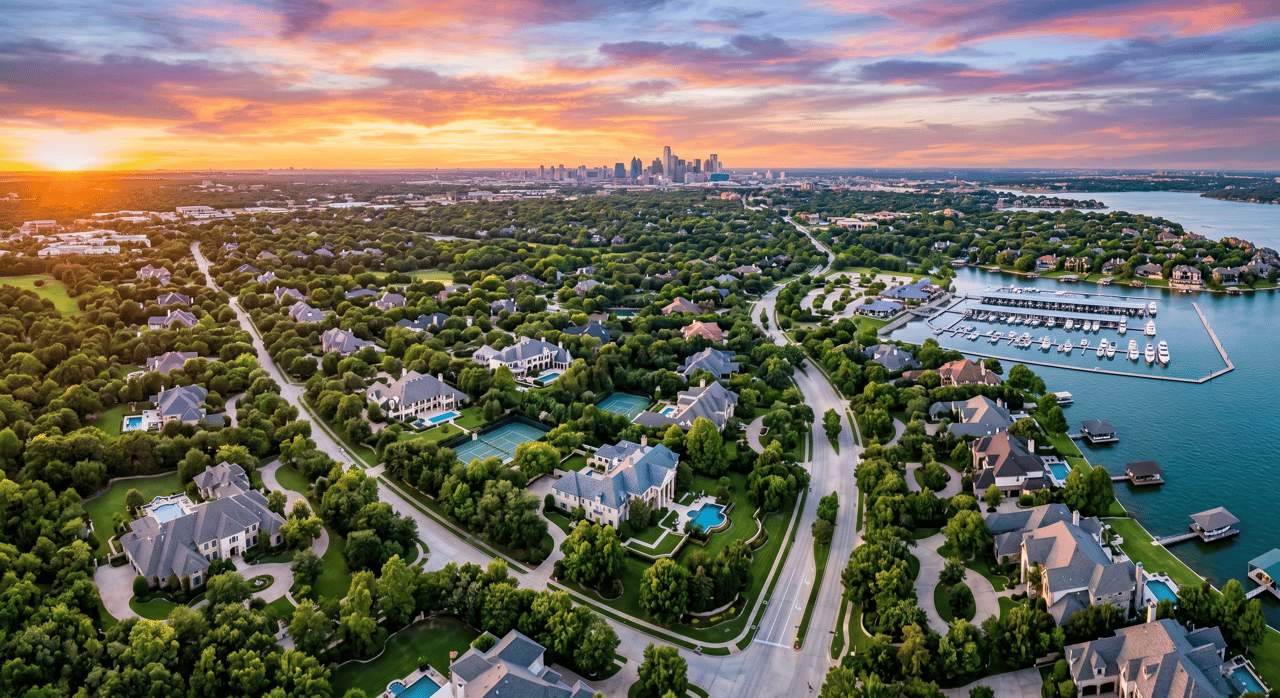
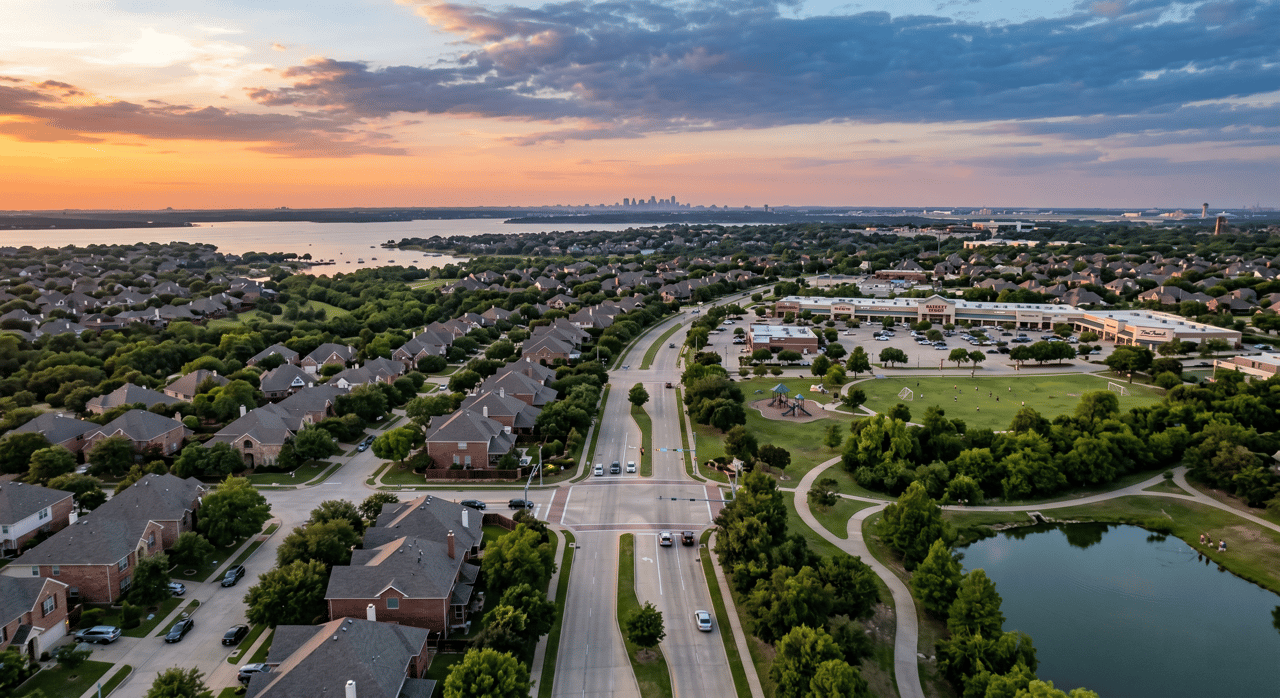
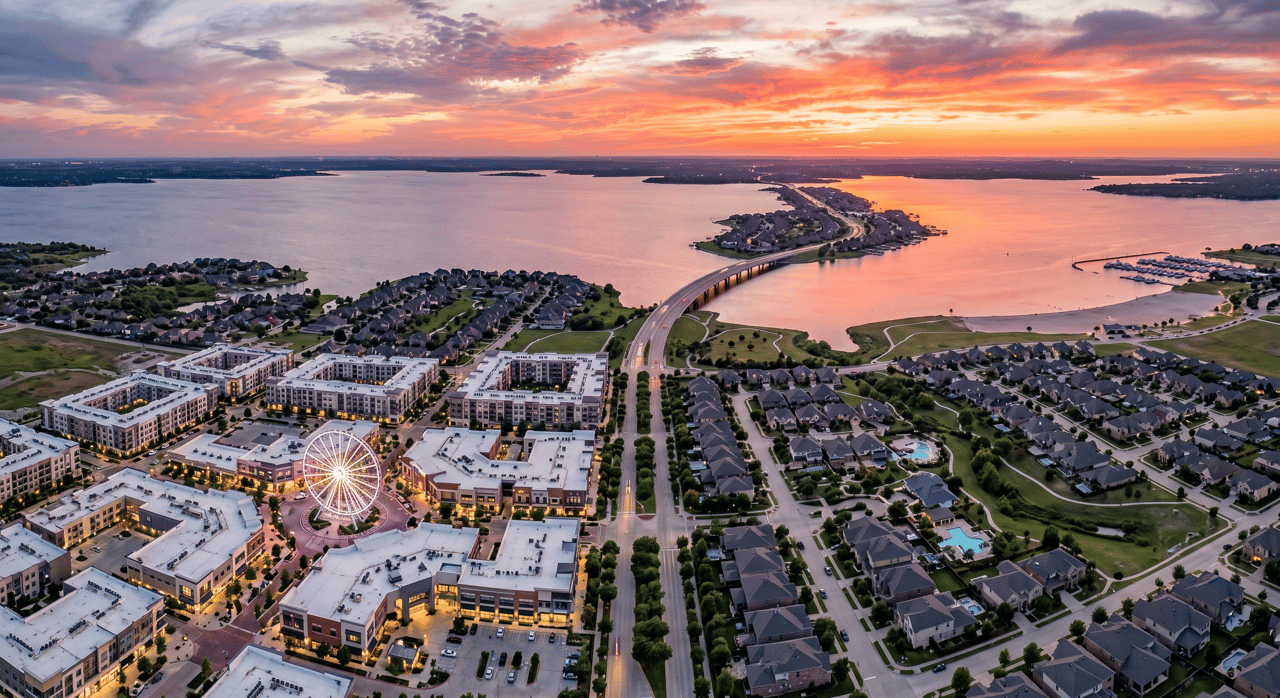
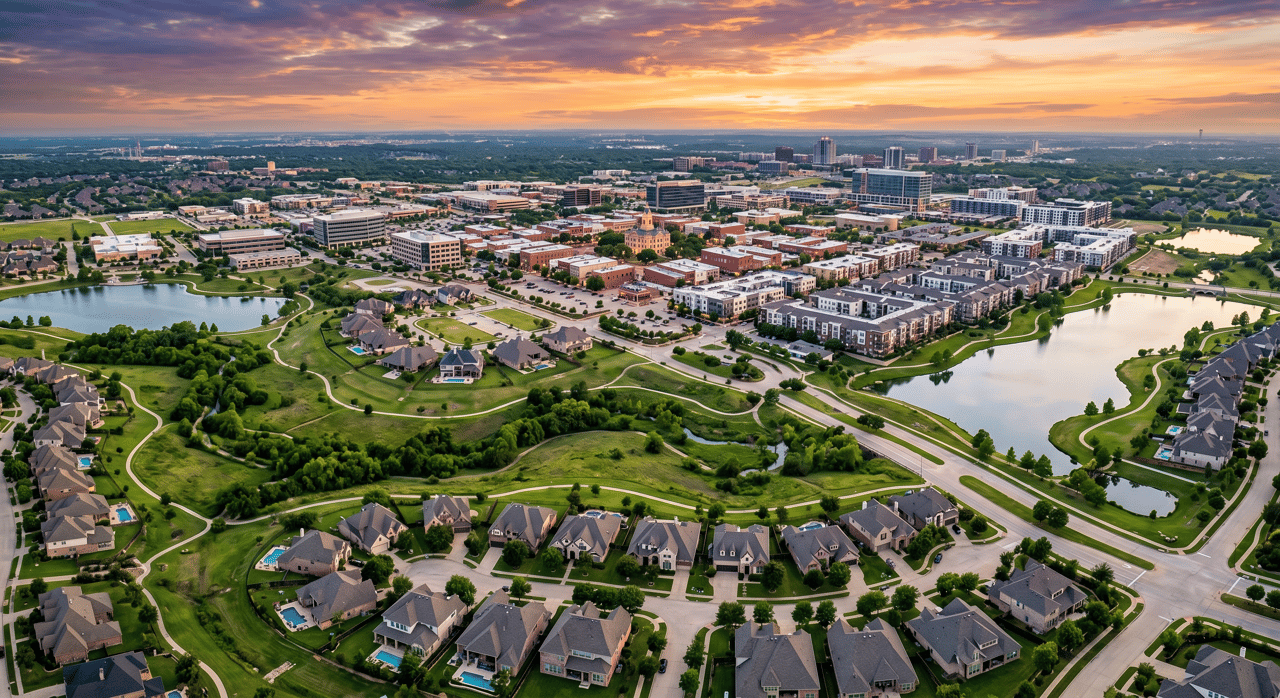
Grand Prairie, Texas is one of the most centrally located and diverse housing markets in the DFW metroplex, positioned between Dallas and Fort Worth. Known for its affordability, commuter accessibility, and broad mix of established and newer neighborhoods, Grand Prairie offers a combination of practicality, lifestyle flexibility, and long-term residential demand. The city has experienced steady growth over time, with development occurring through both established neighborhood turnover and continued residential expansion in select areas. Unlike heavily luxury-driven or fully master-planned suburbs, Grand Prairie combines affordability-focused housing, move-up communities, and newer residential developments within one market. This creates a housing environment influenced by neighborhood-level dynamics rather than a single city-wide trend. Buyers are often drawn to Grand Prairie for its central DFW location, access to major highways, and broad range of housing options across multiple price tiers. Relocation buyers, first-time homeowners, move-up families, and commuters frequently target Grand Prairie for its balance of accessibility, affordability, and housing variety. Housing in Grand Prairie includes a mix of established resale neighborhoods, newer residential communities, executive housing pockets, and affordability-driven inventory. Pricing and market behavior vary significantly by neighborhood, school zoning, commute access, housing age, and inventory concentration. Grand Prairie is best suited for buyers who prioritize commuter convenience, housing flexibility, and accessibility across different lifestyles and budgets. It offers a balanced environment with access to entertainment, retail, parks, recreation, and neighborhoods such as Mira Lagos, Grand Peninsula, and South Grand Prairie. As Grand Prairie continues to evolve, its market remains driven by affordability, accessibility, and neighborhood-level demand patterns rather than large-scale luxury expansion. Understanding both the lifestyle and the neighborhood-level housing dynamics is key when making a move here. For live pricing trends and inventory data, view the Grand Prairie Real Estate Market Report.

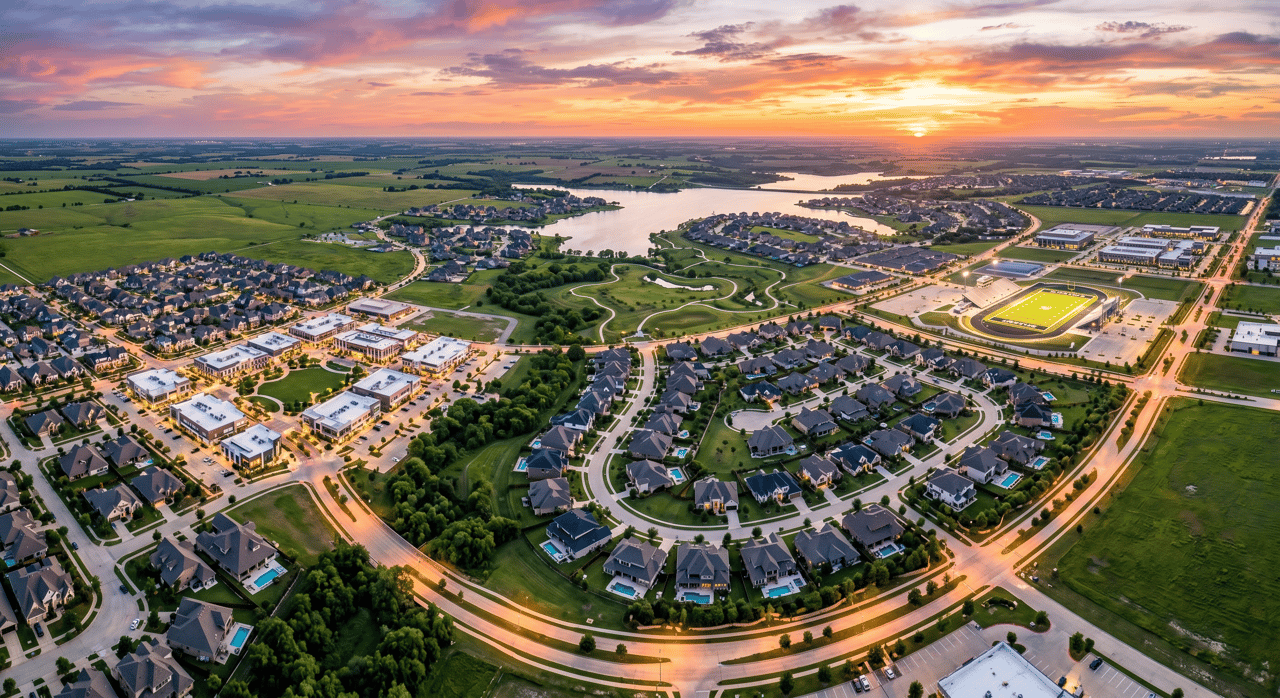
Prosper is one of North Texas’ fastest-growing communities, and it behaves differently than most suburbs because so much of the housing supply is newer, master-planned, and still expanding. That means lifestyle decisions and real estate decisions are tied together here, neighborhood choice, school zoning, amenities, commute patterns, and builder activity all matter.

This guide is designed to help you understand Prosper at the neighborhood level, not just the city level. You’ll see live demographic data, schools, and local points of interest below, and we’ll use a plain-English lens to explain what that data means in real life, and who Prosper is a strong fit for.

If you want the live housing numbers, inventory, pricing, and leverage indicators, use our Prosper Real Estate Market Report.

Grand Prairie, Texas is one of the most centrally located and diverse housing markets in the DFW metroplex, positioned between Dallas and Fort Worth. Known for its affordability, commuter accessibility, and broad mix of established and newer neighborhoods, Grand Prairie offers a combination of practicality, accessibility, and long-term residential demand.

The city has experienced steady growth over time, with development occurring through both established neighborhood turnover and continued residential expansion in select areas. Unlike fully built-out luxury markets or heavily phase-driven suburbs, Grand Prairie combines established resale neighborhoods, newer residential communities, and affordability-driven housing within one market. This creates a more neighborhood-driven housing environment influenced by location, commute access, and inventory concentration.

Buyers are often drawn to Grand Prairie for its central DFW location, access to major highways, and broad range of housing opportunities across multiple price tiers. Relocation buyers, first-time homeowners, move-up families, and commuters frequently consider Grand Prairie for its balance of affordability, convenience, and housing flexibility.

Housing in Grand Prairie includes a mix of established resale homes, newer residential developments, executive housing pockets, and affordability-focused inventory. Pricing and market behavior vary significantly at the neighborhood level, influenced by school zoning, commute convenience, housing age, inventory concentration, and property condition.

Grand Prairie is best suited for buyers who prioritize accessibility, commuter convenience, and housing flexibility across different lifestyles and budgets. It offers a balanced environment with access to entertainment, parks, recreation, retail, and neighborhoods such as Mira Lagos, Grand Peninsula, and South Grand Prairie.

As Grand Prairie continues to evolve, its market remains driven by affordability, accessibility, and neighborhood-level demand patterns rather than large-scale luxury expansion. Understanding both the lifestyle and the neighborhood-level housing dynamics is key when making a move here.

For live pricing trends and inventory data, view the Grand Prairie Real Estate Market Report.


Major neighborhoods in Prosper, TX

Prosper is largely composed of master-planned communities and newer subdivisions. Absorption speed, pricing stability, and resale competition often vary by neighborhood rather than by ZIP code.

Windsong Ranch

Windsong Ranch is one of Prosper’s most recognized master-planned communities. It includes resort-style amenities, extensive green space, and newer construction inventory. Because of its amenity concentration and branding, resale homes here often compete directly with builder spec inventory within the same price tier.

Star Trail

Star Trail includes a mix of luxury and upper-mid inventory. Larger floorplans and higher price tiers can result in longer absorption cycles compared to mid-tier neighborhoods. Price movement here is often influenced by high-end inventory stacking.

Whitley Place

Whitley Place includes a combination of established homes and newer builds. Lot sizes and architectural consistency can influence resale positioning differently than fully new master-planned phases.

Lakes of La Cima

Lakes of La Cima represents an earlier development phase of Prosper. Homes here may compete differently against brand-new construction due to build era and amenity comparisons.

Other expanding subdivisions

Prosper continues to expand through phased development. As new sections open in master-planned communities, inventory conditions can shift quickly within specific neighborhoods.

Subdivision-level analysis is critical when evaluating pricing and negotiation leverage in Prosper.


If you're preparing to buy or sell in Windsong Ranch, Star Trail, Gentle Creek, or surrounding communities, learn how our subdivision-level strategy works in our Best Realtor in Prosper guide.

Overview for Grand Prairie TX Community & Neighborhood Guide, TX

198,564 people live in Grand Prairie TX Community & Neighborhood Guide, where the median age is 33.5 and the average individual income is $34,348. Data provided by the U.S. Census Bureau.

198,564

Total Population

33.5 years

Median Age

High

Population Density Population Density This is the number of people per square mile in a neighborhood.

$34,348

Average individual Income

Around Grand Prairie TX Community & Neighborhood Guide, TX

There's plenty to do around Grand Prairie TX Community & Neighborhood Guide, including shopping, dining, nightlife, parks, and more. Data provided by Walk Score and Yelp.

21
Car-Dependent
Walking Score
29
Somewhat Bikeable
Bike Score

Points of Interest

Explore popular things to do in the area, including Obie-Cue's Texas Spice, El Potosino Meat Market, and Mi Peru Borinqueno.

Name Category Distance Reviews
Ratings by Yelp
Dining 1.41 miles 5 reviews 5/5 stars
Dining 3.86 miles 7 reviews 5/5 stars
Dining 1.92 miles 12 reviews 5/5 stars
Dining 4.66 miles 5 reviews 5/5 stars
Dining 1.73 miles 5 reviews 5/5 stars
Dining 0.69 miles 5 reviews 5/5 stars

Demographics and Employment Data for Grand Prairie TX Community & Neighborhood Guide, TX

Grand Prairie TX Community & Neighborhood Guide has 66,943 households, with an average household size of 2.96. Data provided by the U.S. Census Bureau. Here’s what the people living in Grand Prairie TX Community & Neighborhood Guide do for work — and how long it takes them to get there. Data provided by the U.S. Census Bureau. 198,564 people call Grand Prairie TX Community & Neighborhood Guide home. The population density is 2,738.41 and the largest age group is Data provided by the U.S. Census Bureau.

198,564

Total Population

High

Population Density Population Density This is the number of people per square mile in a neighborhood.

33.5

Median Age

49.13 / 50.87%

Men vs Women

Population by Age Group

0-9:

0-9 Years

10-17:

10-17 Years

18-24:

18-24 Years

25-64:

25-64 Years

65-74:

65-74 Years

75+:

75+ Years

Education Level

  • Less Than 9th Grade
  • High School Degree
  • Associate Degree
  • Bachelor Degree
  • Graduate Degree
66,943

Total Households

2.96

Average Household Size

$34,348

Average individual Income

Households with Children

With Children:

Without Children:

Marital Status

Married
Single
Divorced
Separated

Blue vs White Collar Workers

Blue Collar:

White Collar:

Commute Time

0 to 14 Minutes
15 to 29 Minutes
30 to 59 Minutes
60+ Minutes

Schools in Grand Prairie TX Community & Neighborhood Guide, TX

All ()
Primary Schools ()
Middle Schools ()
High Schools ()
Mixed Schools ()
The following schools are within or nearby Grand Prairie TX Community & Neighborhood Guide. The rating and statistics can serve as a starting point to make baseline comparisons on the right schools for your family. Data provided by the U.S. Census Bureau.
Type
Name
Category
Grades
School rating

How The Cliff Freeman Group evaluates Prosper neighborhoods

We don’t evaluate Prosper using city-wide averages alone. Prosper is a neighborhood-driven market where school zoning, subdivision design, and new construction cycles can change buyer demand and resale competition quickly.

When we advise clients on Prosper, we compare neighborhoods by build era, amenity profile, commute patterns, lot size expectations, and how resale inventory competes with nearby new construction. That’s how you avoid picking the wrong neighborhood for your lifestyle, or overpaying for a location premium that doesn’t hold in the next resale cycle.

Prosper in 60 seconds

• Predominantly newer construction and master-planned communities
• Neighborhood choice matters here more than city-wide averages
• Demand is influenced by school zoning, amenities, and commute corridors
• Expect active development, retail expansion, and ongoing infrastructure grow

Work With Us

Find out why our clients and our team of expert agents are the happiest in the Dallas-Fort Worth Metroplex. We are thrilled to have the opportunity to work with you!