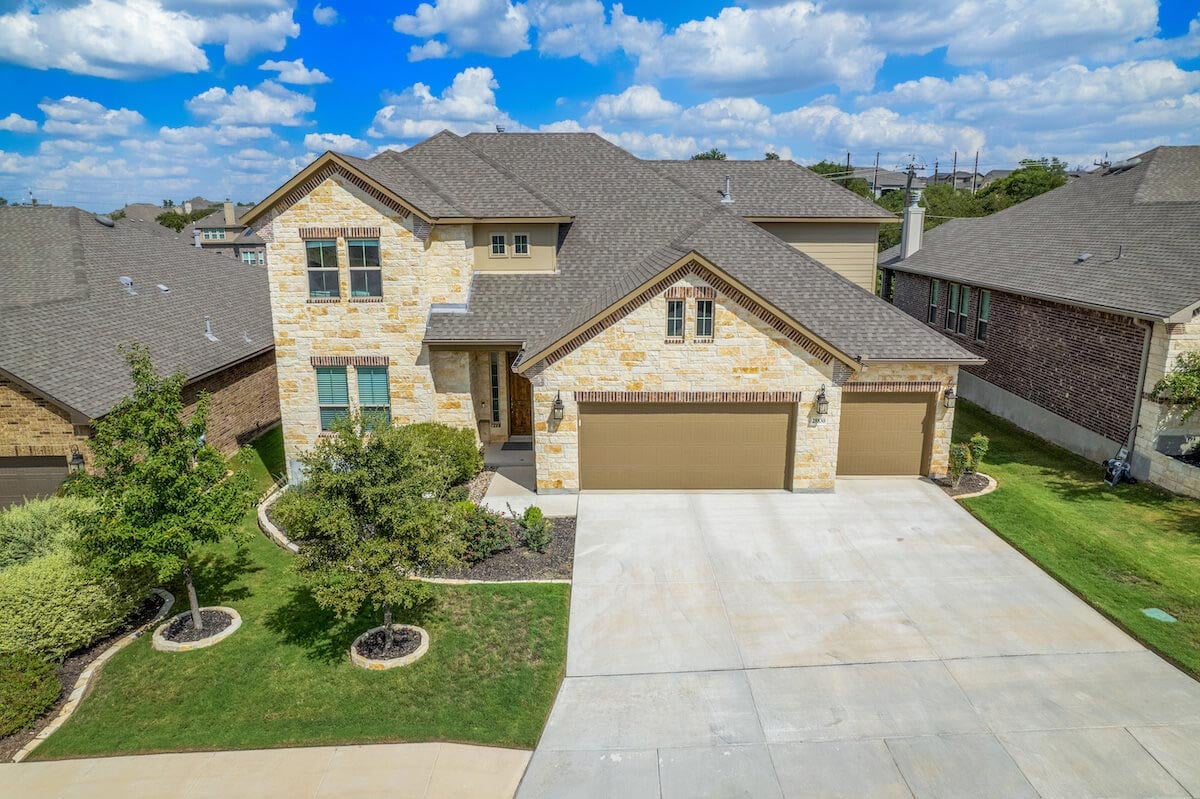
Prosper 2026 Housing Forecast, What National Shifts Mean Locally
February 2, 2026
February 2, 2026
Prosper’s 2026 housing outlook points toward a steady, skill based market, not a boom and not a pullback. National policy changes may influence rates and lending behavior, but local demand, strong household incomes, and buyer depth continue to support stable pricing and consistent activity in Prosper.
Introduction, separating noise from reality
Every forecast cycle comes with drama. One year it’s rates. Another year it’s inventory. Now it’s policy shifts and mobility.
Here’s what I want you to know up front. Prosper does not move on headlines. It moves on fundamentals. Families still want good schools. Buyers still plan long term. Sellers still care about net, not just price. That hasn’t changed, and it’s why the national housing story often sounds scarier than what actually happens on the ground here. The market is moving away from guesswork and back toward expertise. In Prosper, that shift is already happening.
What is actually shaping the 2026 housing market?
Policy changes are designed to loosen movement, not stop it
The article outlines several national policy discussions that could influence housing behavior over the next couple of years. Things like portable mortgage concepts, tighter rules around institutional buying, and support for mortgage backed securities.The common thread is mobility.
These are not policies aimed at slowing housing down. They’re aimed at helping homeowners move when life requires it, without destabilizing prices. That matters in a place like Prosper, where most homeowners are moving by choice, not pressure.
The mortgage rate lock in effect is losing power
For years, homeowners felt frozen. If you had a low rate, moving felt irresponsible. This mindset is fading. People still care about rates, but they care more about timing their lives correctly. New jobs, growing families, downsizing, relocating for schools.
In Prosper, we see this every week. Moves happen because people need space, location, or a different phase of life, not because they found the perfect rate.
Institutional investors are less relevant here
Prosper never relied heavily on institutional demand. Most homes here are bought by owner occupants who plan to stay. That insulates the market from sudden swings and keeps pricing tied to real household decisions.
Why Prosper continues to behave differently
School driven demand stays consistent. Prosper ISD is not a trend. It’s a long term driver.
Families plan around schools years in advance. That creates demand that does not disappear when headlines change. It also creates buyers who are thoughtful and qualified.
Strong incomes support stable pricing
Markets with higher incomes and equity behave better through transitions.
Prosper fits that profile. Buyers are typically well prepared financially, and sellers are rarely forced to sell quickly. That balance keeps pricing rational and resilient.
Inventory improves without flooding the market
The outlook for 2026 suggests a more balanced inventory environment. In Prosper, that usually means more choice for buyers without overwhelming supply. Homes that are priced and presented correctly still sell. Homes that aren’t, don’t.
That’s not a bad market. That’s a disciplined one.
What this means for buyers in Prosper
You may have more options, but not less competition. Buyers can expect slightly more inventory than peak years, especially as mobility improves. But desirable neighborhoods and well priced homes will still attract multiple buyers.
You’re competing on preparation, not panic.
Strategy matters more than timing the rate
Waiting for the perfect rate is rarely the winning move in Prosper.
Buyers who focus on clean offers, realistic expectations, and strong positioning tend to succeed more consistently than buyers trying to time the market.
Planning beats prediction
Buyers who plan based on their lives rather than predictions tend to make better decisions and sleep better at night.
What this means for sellers in Prosper
Pricing accuracy is non negotiable. In 2026, pricing is not a guessing game.
Homes that are priced correctly from day one create activity and leverage. Homes that chase the market often end up making larger concessions later.
Presentation still drives results
Buyers are selective. That rewards sellers who prepare properly.
Condition, layout, and how a home shows still influence both price and time on market, especially in a balanced environment.
Equity gives sellers flexibility
Most Prosper homeowners are selling from a position of strength. That flexibility allows for better timing, smarter negotiation, and cleaner outcomes when paired with good advice.
Expert tips from The Cliff Freeman Group
FAQ
Is Prosper expected to decline in 2026?
No. The outlook points toward balance and modest appreciation, not a meaningful decline in strong markets like Prosper.
Will mortgage rates drop enough to change demand?
Rates may move, but buyer behavior here is driven more by life timing than rate chasing.
Are investors still active in Prosper?
Large institutional investors are less active. Most buyers are owner occupants.
Will there be more homes available?
Inventory is expected to improve modestly, giving buyers more choice without oversupply.
Is it still a good time to sell?
For sellers who prepare properly and price correctly, yes.
Should buyers wait?
Waiting without a clear plan usually costs opportunity in a market like Prosper.
TL;DR
Conclusion
Prosper’s housing story for 2026 isn’t dramatic, and that’s a good thing.
This is a market that rewards clarity, preparation, and local understanding. Buyers who plan do well. Sellers who price realistically succeed. The people who struggle are usually the ones reacting to noise instead of facts.
At TCFG, we work primarily with relocating buyers and long term homeowners who want to make confident decisions before they arrive or before they list. Our focus stays on planning early, understanding tradeoffs, and avoiding rushed commitments.
Stay up to date on the latest real estate trends.

DFW Real Estate
Dallas TX Real Estate

DFW Real Estate

Dallas TX Real Estate
Dallas TX Real Estate

Arlington TX Real Estate

The Colony TX Real Estate
Southlake TX

Find out why our clients and our team of expert agents are the happiest in the Dallas-Fort Worth Metroplex. We are thrilled to have the opportunity to work with you!