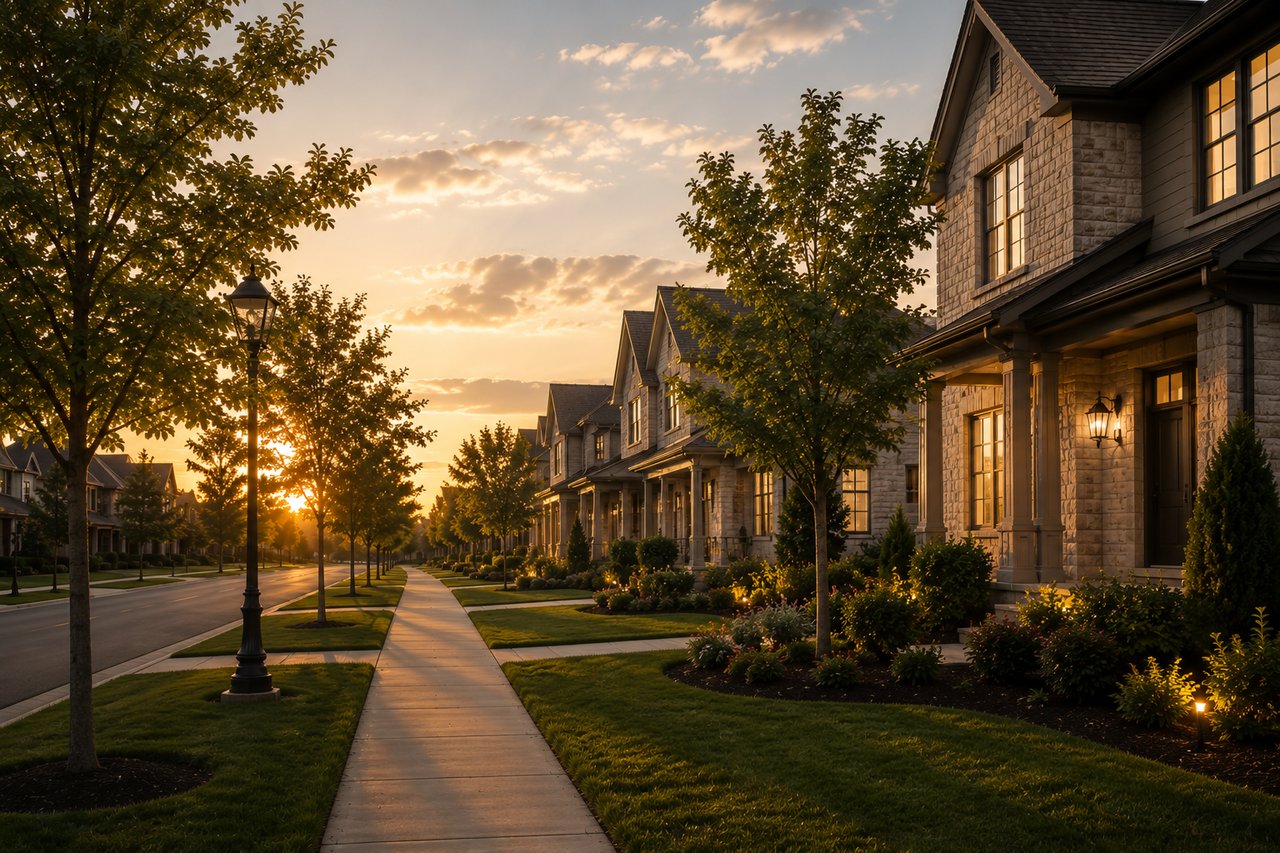
Why Do Some Buyers Feel More “At Home” in Certain North Texas Neighborhoods?
Cliff Freeman, Jr. May 14, 2026
Cliff Freeman, Jr. May 14, 2026
A neighborhood can look perfect on paper and still not feel right because buying a home is not just a logical decision, it is an emotional and lifestyle decision too. Buyers often realize that factors like pace, energy, layout, commute, and overall atmosphere impact daily life more than they expected.
Some buyers walk into a neighborhood and immediately feel comfortable.
Others tour communities that technically check every box and still feel unsure.
That reaction is more common than people think.
In many cases, buyers are not responding to the house itself. They are responding to how the environment makes them imagine their daily life.
That is a very different thing.
A neighborhood can offer:
• great schools
• newer homes
• strong amenities
• attractive pricing
and still not feel like the right fit.
Sometimes the issue is not obvious.
It can be:
• the pace of the area
• the layout of the community
• the amount of activity
• how connected or disconnected it feels
These things are difficult to measure online, but very noticeable in person.
Not every buyer wants the same lifestyle, even if they think they do at first.
For example:
Some buyers love the energy and activity of communities like Harvest.
Others tour the same neighborhood and realize they prefer something quieter and more private.
Some buyers are drawn to the newer feel of communities like The Grove.
Others discover they feel more comfortable in neighborhoods with mature trees, older streets, and a more established atmosphere.
Neither reaction is wrong.
They are simply different lifestyle preferences.
This is where things become more real.
After a few months, buyers often stop focusing on the house itself and start paying attention to:
• commute patterns
• noise levels
• neighborhood activity
• how often they use amenities
• how connected they feel to the area
That daily experience matters more long-term than many buyers initially expect.
Master-planned communities are designed to create a certain lifestyle.
For some buyers, that feels exciting and energizing.
For others, it can eventually feel:
• too active
• too structured
• too uniform
At the same time, buyers who prefer highly organized communities may feel uncomfortable in neighborhoods that feel less planned or less connected.
The point is not that one is better.
The point is that different buyers respond differently to different environments.
Most buyers think they are searching for:
• square footage
• finishes
• amenities
• pricing
But many are really searching for something harder to describe.
They are searching for a feeling.
That is why two buyers can tour the exact same neighborhood and leave with completely different reactions.
Instead of asking:
👉 “Is this neighborhood good?”
A better question is:
👉 “Does this neighborhood fit how I actually want to live?”
That changes the entire decision-making process.
It shifts the focus from:
• appearances
to:
• long-term lifestyle fit
• Prioritizing the house over daily lifestyle
• Assuming amenities automatically improve quality of life
• Ignoring commute and routine
• Choosing based only on what looks impressive online
• Not paying attention to how the environment actually feels
Why can a neighborhood look good online but feel different in person?
Photos and amenities do not capture things like atmosphere, pace, traffic, noise, and overall lifestyle feel.
Why do buyers react differently to the same neighborhood?
Different buyers prioritize different lifestyles, routines, and environments.
Do buyers regret choosing the wrong neighborhood?
Sometimes, yes. In many cases, the issue is not the house itself but the surrounding lifestyle and daily experience.
What matters more, the house or the neighborhood?
Both matter, but many buyers underestimate how much the neighborhood impacts daily life long-term.
A neighborhood does not have to be “bad” to feel wrong for a specific buyer.
That is an important distinction.
Some communities feel energizing to one person and overwhelming to another.
Some feel peaceful and comfortable to certain buyers while others see them as too quiet or disconnected.
The goal is not to find the “best” neighborhood.
The goal is to find the one that fits how you actually want to live.
• A neighborhood can look perfect on paper and still not feel right in person
• Buyers often respond emotionally to pace, layout, and atmosphere
• Different buyers naturally connect with different environments
• Lifestyle and daily routine matter more than many expect
• The best neighborhood is the one that fits how you actually want to live
At TCFG, we help buyers understand not just where to live, but how different communities actually feel day to day. Our process focuses on helping you evaluate lifestyle fit, long-term routine, and overall environment so you can make a decision that feels right beyond the listing itself.
If you're exploring neighborhoods across the Dallas–Fort Worth Metroplex, explore more at tcfg.homes/dfw-blog or connect directly at tcfg.homes/contact-us.
Stay up to date on the latest real estate trends.


Walsh
Prosper TX Real Estate

Canyon Falls

2026 Housing Market Trends
North Texas Neighborhood Guides
Find out why our clients and our team of expert agents are the happiest in the Dallas-Fort Worth Metroplex. We are thrilled to have the opportunity to work with you!