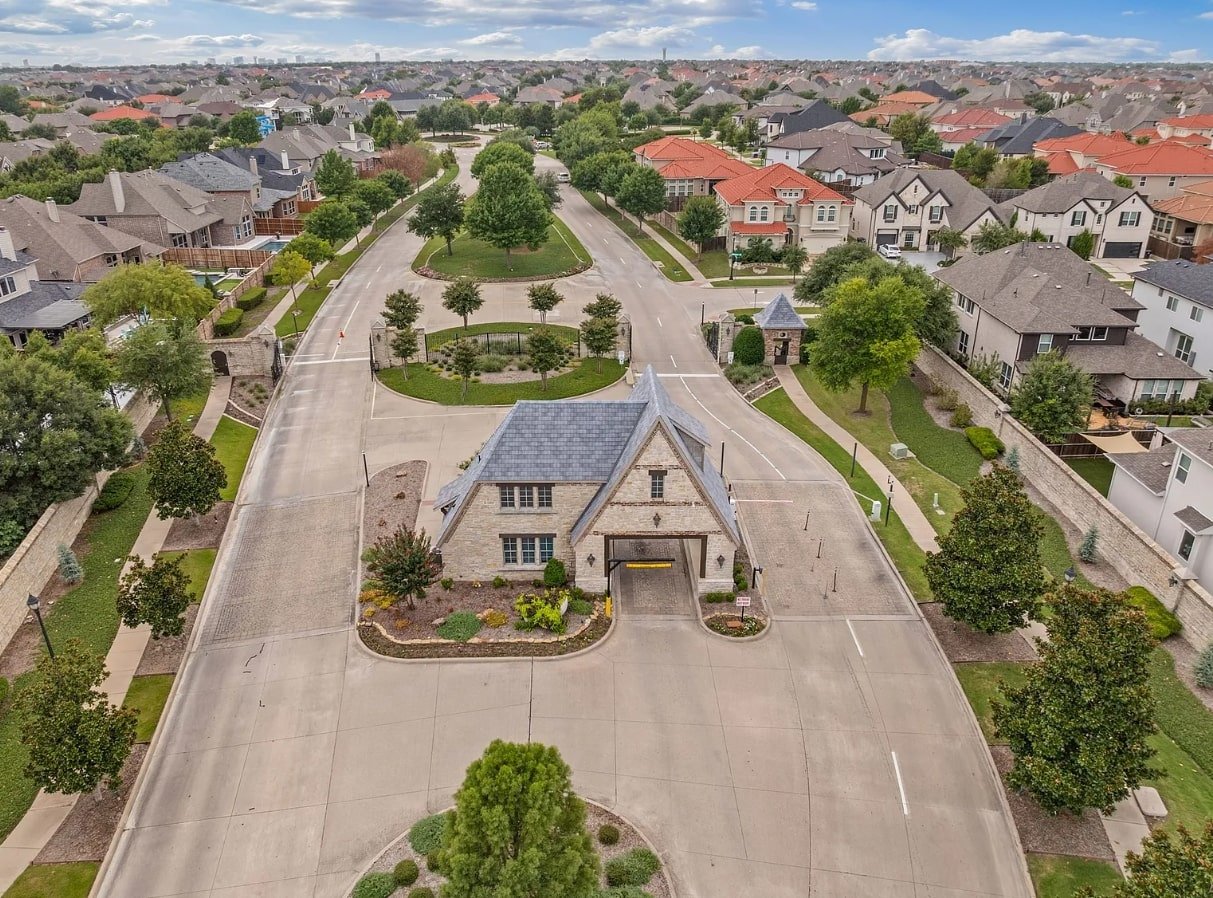
Before Buying in a New Construction Community Near Frisco TX, Understand These Hidden Taxes
Cliff Freeman, Jr. March 6, 2026
Cliff Freeman, Jr. March 6, 2026
TL;DR
Introduction
New construction communities across North Texas are attracting a lot of attention right now. Larger homes, modern amenities, and competitive pricing are drawing buyers to developing areas around Celina, McKinney, and other fast-growing suburbs near Frisco.
At first glance, these communities can look like a great deal compared to established neighborhoods in Frisco. You may see more square footage, newer finishes, and impressive amenities at a similar or even lower purchase price.
But there’s an important detail many buyers overlook before signing a contract: how the community’s infrastructure is funded.
Many new developments rely on special districts with names like MUD, PID, PUD, or MWD. Understanding what these mean can help you make a smarter decision about both long-term ownership costs and future resale value.
What Is a MUD and Why Does It Affect Your Property Taxes?
A Municipal Utility District (MUD) is one of the most common special districts used in new construction communities.
When a development is built outside established city infrastructure, developers may create a MUD to finance essential services such as:
These districts often issue bonds to fund the construction of this infrastructure. Homeowners then repay those bonds through an additional property tax layered on top of standard local taxes.
In many North Texas communities, MUD tax rates can add roughly half a percent to over one percent of a home’s value annually, which can translate into thousands of dollars per year depending on the property price.
These taxes may remain in place for 20 to 30 years while the bonds are being repaid.
What Is a PID and How Is It Different?
A Public Improvement District (PID) works in a similar way but is structured differently.
Instead of a percentage-based tax rate, PIDs usually involve a fixed annual assessment paid by homeowners.
These assessments often fund premium features within a community such as:
Depending on the development, annual PID assessments may range from a few thousand dollars to significantly higher in luxury communities.
In some neighborhoods, a PID may exist in addition to a MUD, which increases the overall cost of ownership.
What Is a PUD?
A Planned Unit Development (PUD) is a zoning structure rather than a financing district.
PUDs allow developers to design communities with a mixture of housing types, amenities, and shared spaces.
While PUDs generally do not create the same tax burden as MUDs or PIDs, they typically involve:
These communities can still be appealing but may come with more detailed neighborhood regulations.
What Is a Municipal Water District (MWD)?
A Municipal Water District (MWD) operates similarly to a MUD but focuses primarily on water supply infrastructure.
Like MUDs, these districts may involve additional tax obligations for homeowners. Buyers should review these carefully when evaluating the overall cost of a property.
How Do These Districts Affect the True Cost of a Home?
One of the biggest mistakes buyers make when comparing homes is focusing only on the purchase price.
For example, a new construction home priced lower than a resale property in Frisco may appear to be the better value. However, once special district taxes are included, the annual carrying cost can be significantly higher.
When evaluating homes, buyers should ask for the total combined property tax rate, which typically includes:
Looking at the full tax picture can change how two homes compare financially.
How Special District Taxes Can Impact Resale Value
Taxes don’t just affect your monthly expenses. They can also influence resale.
Future buyers will evaluate the same costs you did when purchasing the home. Higher tax rates may cause some buyers to:
In certain markets, homes with higher combined tax rates can take longer to sell or require more price flexibility to attract buyers.
Decision Framework: What Buyers Should Check Before Purchasing
If you are considering new construction near Frisco or Prosper, use this checklist before making an offer.
Common Mistakes Buyers Make When Purchasing New Construction
FAQ
What is a MUD tax in Texas?
A MUD tax is an additional property tax used to repay bonds that funded infrastructure like water, sewer, and drainage systems in new developments.
Are MUD communities bad for homeowners?
Not necessarily. Many popular communities in Texas use MUD districts. However, buyers should understand the additional taxes and how they affect total ownership costs.
What is the difference between a PID and a MUD?
A MUD is typically a property tax rate applied to the home’s value, while a PID usually involves a fixed annual assessment used to fund specific community improvements.
Do MUD taxes ever go away?
MUD taxes often remain in place until the bonds used to fund infrastructure are fully repaid, which can take decades.
Should buyers avoid homes in special districts?
Not always. The key is understanding the full financial picture and comparing it carefully with other homes.
Working With a Local Real Estate Expert
At TCFG, we work primarily with relocating buyers who need to make confident decisions before they arrive in North Texas. Our process emphasizes planning early, understanding tradeoffs, and avoiding rushed commitments.
If you're researching communities around Frisco, Prosper, Celina, or McKinney, explore more insights here: tcfg.homes/dfw-blog
Or connect with us directly: tcfg.homes/contact-us
Stay up to date on the latest real estate trends.

The Colony TX Real Estate
Southlake TX



Walsh
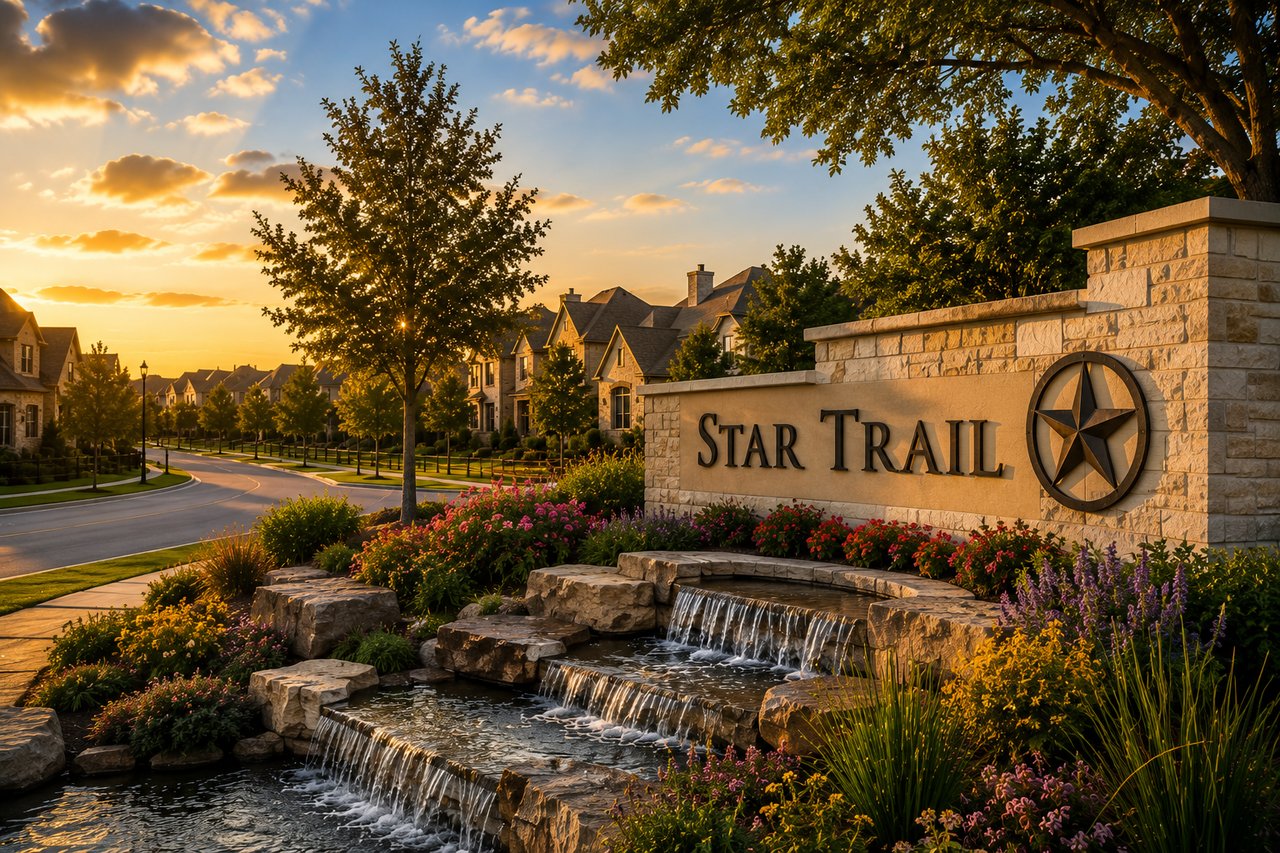
Prosper TX Real Estate
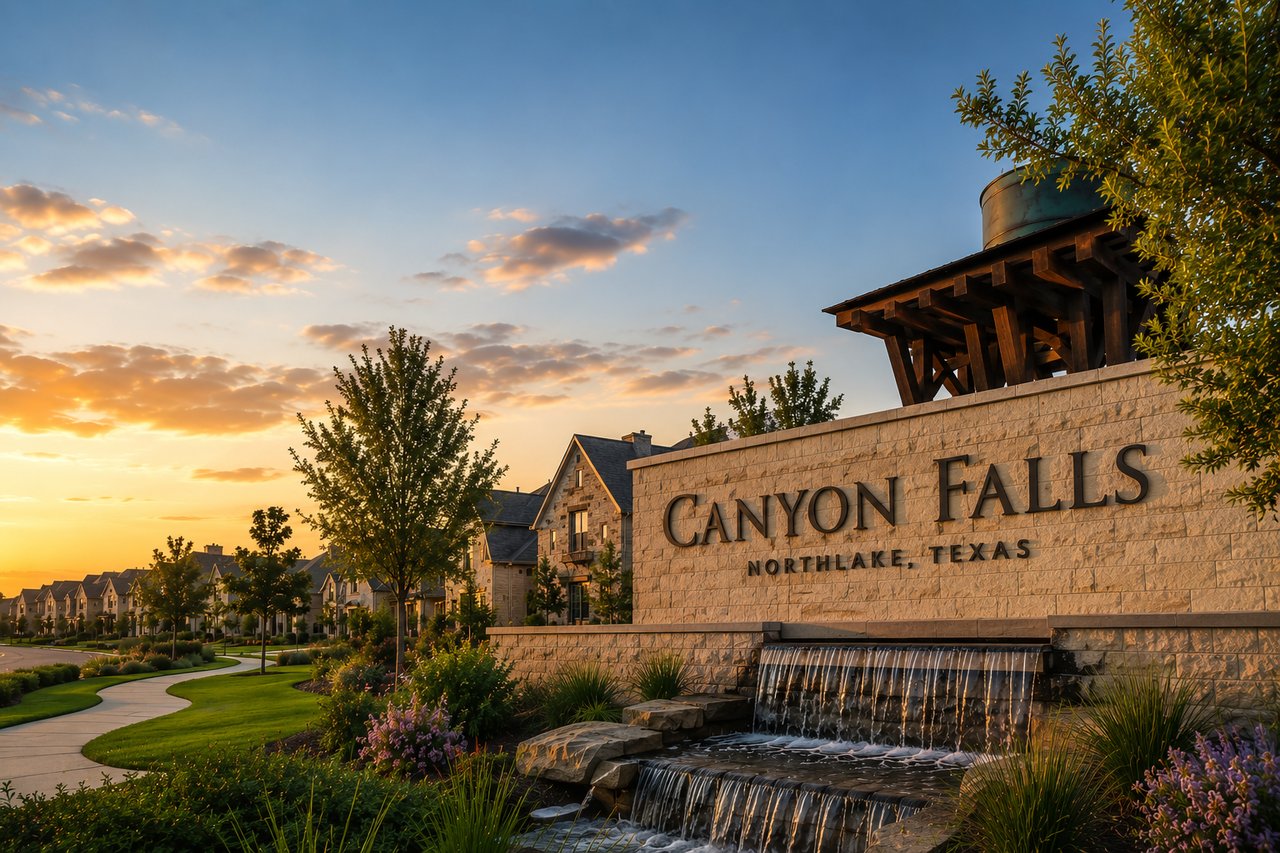
Canyon Falls
Find out why our clients and our team of expert agents are the happiest in the Dallas-Fort Worth Metroplex. We are thrilled to have the opportunity to work with you!